/Infertility-Treatment-Stages_1789536622_main.webp "Stages of Infertility Treatment: A Complete Guide to Treatment in Women and Men")
Standard treatment methods for infertility vary significantly from person to person. The very first step is pinpointing the exact cause of infertility in either the man or the woman. The doctor initially prescribes the necessary diagnostic tests for both partners simultaneously. Then, based on the identified cause and other critical factors such as age, ovarian reserve, sperm parameters, the health of the uterus and fallopian tubes, and the medical history of both partners the most appropriate treatment method is recommended. Join us in this article to fully understand the stages of infertility treatment for both men and women.

/14_1787644717_main.webp "Frequent Urination After Embryo Transfer: What Is the Cause and Is It a Sign of Pregnancy?")
Frequent urination is a common symptom in women after an embryo transfer and IVF. Frequent urination after embryo transfer can be due to many reasons, including hormonal changes, prescribed medications, increased fluid intake, and other factors. It is not a standalone sign of pregnancy. So, do not assume you are pregnant for sure just because you have frequent urination a few days after an embryo transfer. Conversely, the absence of frequent urination does not mean the pregnancy was unsuccessful.
/The-Link-Between-Obesity-and-Female-Infertility_1790416032_main.webp "The Link Between Obesity and Female Infertility")
If you are planning to get pregnant, you should know that obesity (especially excess fat around the abdomen) can interfere with female hormones and ovulation, and eventually reduce the chances of a successful pregnancy. Obesity does not necessarily mean infertility, but it can make it harder to conceive. The good news is that even reducing 5–10% of body weight can improve ovulation in many women and help them have healthy pregnancies.
/31_1786336361_main.webp "Poor Egg Quality: Causes, How It Affects Fertility, and Best Treatments")
Female egg quality can affect the chance of a healthy pregnancy. To be more specific, poor egg quality can reduce the chance of fertilization and normal embryo development. The good news is that in many cases, improving lifestyle, finding the underlying causes, and receiving proper medical treatments can solve this problem. In this article, we'll explain what poor egg quality means and how it’s different from other medical terms related to female fertility.
/The-best-herbal-remedy-for-conceiving-quickly_1789547646_main.webp "The Best Herbal Medicine for Getting Pregnant Quickly")
Many people use herbal medicines for infertility to get pregnant quickly. They believe that because these medicines are herbal, they have no side effects and can be taken without a doctor’s prescription. But most of these substances are rich in bioactive compounds and hormone-like materials. Self-medication can disturb the hormonal balance in the body. So, arbitrary consumption can not only fail to help with pregnancy but also may interfere with ovulation and hormonal balance, bringing serious problems. Also, no single medicinal herb can cause pregnancy by itself or cure infertility.
/_________1786163616_main.webp "The First Step in Infertility Treatment: Where Should I Start")
Infertility is a common problem for couples all over the world today. About one in six adults will experience infertility at some point in their life, according to the World Health Organization (WHO). But for many people, the infertility is temporary and easily treatable. If you are under 35 and have not become pregnant after 12 months of unprotected intercourse, doctors suggest beginning medical evaluations. It’s important to remember infertility isn’t just a woman’s issue—male factors can also be the cause. The most important thing is to find the exact cause of infertility in time and to use the best treatment method.
/Home-based-infertility-treatment_1789791636_main.webp "Home Infertility Treatment: Can Infertility Be Treated At Home?")
For years, many people around the world have been using various home remedies to treat infertility. Some people believe that these methods can cure male and female infertility, but you should know that there is no absolute, guaranteed home cure for this problem. Medical science states that when home remedies are used correctly and scientifically, they can improve the quality of eggs and sperm, prepare the body for pregnancy, and enhance overall health. However, these methods can never replace medical treatments and cure infertility on their own.
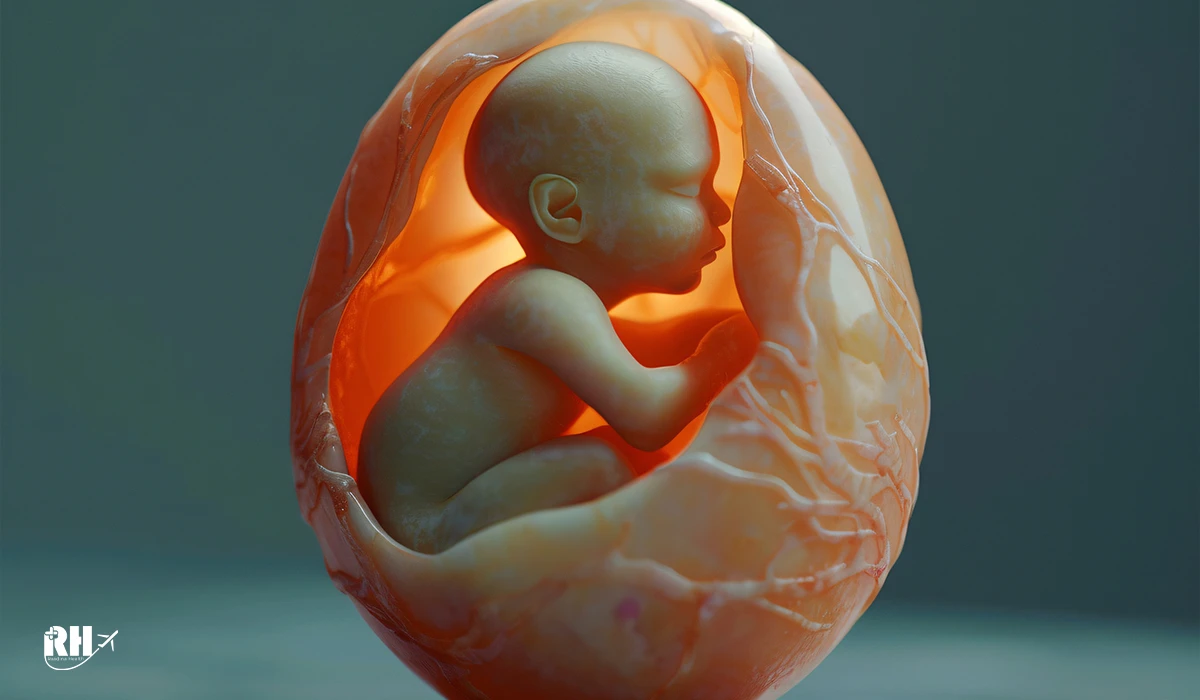
Receiving donor eggs is an infertility treatment that offers many benefits, including increased chances of pregnancy and the possibility of having a healthy child. However, the procedure may also have disadvantages, including medical risks, the need for psychological and social evaluation, and some legal concerns. Knowing the pros and cons helps couples make an informed and appropriate decision.
/991_1764054618_main.webp "Whose Genetics Will the Baby Inherit in Egg Donation?")
In the egg donation method, the baby receives its genetics from the egg donor mother and the genetic father, and the recipient mother plays the role of a carrier. This means that the baby is not genetically identical to the recipient mother, but all the care and communication during pregnancy is carried out by her. This article fully explains the genetic differences and the role of each parent in the egg donation.

Currently, infertility treatment using donor eggs is one of the modern methods that increases the probability of pregnancy to over 85 to 90 percent. This method has received significant attention in Iran and many countries worldwide and is performed in numerous infertility treatment clinics. This method is carried out in two ways: using fresh eggs or frozen eggs, each having its own specific features. Furthermore, the success rate of this method depends on various factors. Join us to fully familiarize yourself with this topic.