
What Causes Kidney Transplant Rejection? Symptoms & Treatment
Kidney Transplant
Kidney transplantation is a vital and crucial surgery that can transform the lives of individuals with renal failure. The transplant operation is only the beginning of the journey, and even with initial success, the possibility of the body rejecting the new kidney remains. After surgery, patients must strictly follow medical instructions and know the symptoms of kidney rejection. By doing so, action can be taken for treatment in the shortest time possible. If you or your loved ones have had a kidney transplant or intend to do so, reading this article will be very useful for you.
What is Kidney Rejection?
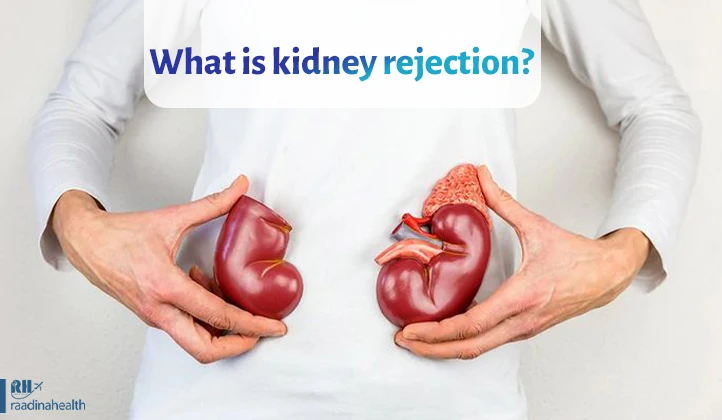
After kidney transplant surgery, the immune system recognizes the new organ as a foreign agent and reacts against it. This causes the body to refuse the new kidney, a process commonly referred to as rejection.
What Happens If a Kidney Rejects?
If a kidney is rejected, symptoms such as fever, pain in the kidney area, and a decrease in the amount of urine will occur. In this situation, one must consult a doctor immediately. Note that if kidney rejection is severe and recurrent, there is a possibility of permanent damage. Under these conditions, individuals may be forced to undergo a new transplant or return to dialysis.
Causes of Kidney Rejection
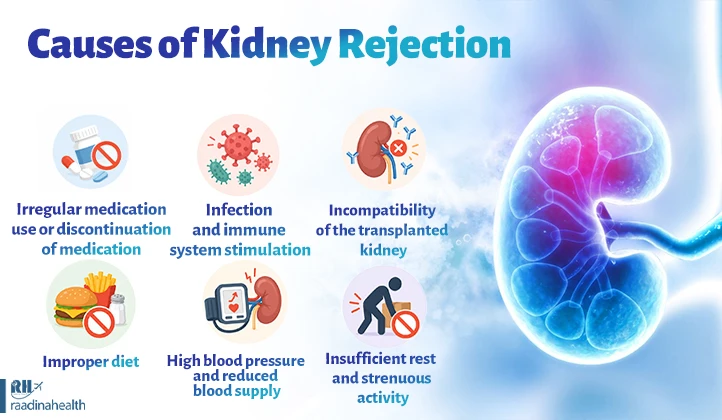
The primary cause of kidney rejection is the immune system's reaction against the new kidney. However, other factors can also influence kidney rejection:
- Non-compliance with Medications: Not taking prescribed medications regularly and accurately, or stopping them altogether.
- Infection: The presence of infections or other factors that stimulate the immune system.
- Tissue Incompatibility: Mismatch between the new kidney tissue and the body.
- High Blood Pressure: Poor oxygenation to the kidneys due to hypertension.
- Improper Diet: An unhealthy nutritional plan.
- Lack of Rest: Engaging in strenuous physical activities without sufficient rest.
When Does a Kidney Transplant Reject?
If a person does not regularly consume immunosuppressant drugs or if infection and inflammation develop in the body, the immune system is stimulated and can cause rejection of the transplanted kidney. Note that kidney rejection may occur within the first months up to one year, which is called acute rejection. The highest risk of acute rejection is in the first three months. Nonetheless, if prescribed medications are not used, the possibility of rejecting the new kidney exists even years later.
Early Symptoms of Kidney Rejection
Knowing the early symptoms of kidney rejection is very important. By observing these signs, individuals can see a doctor and prevent serious problems. Some symptoms are obvious, while others are subtle. Common symptoms include:
- Decreased urine output
- Swelling and sudden weight gain due to fluid retention in the body
- Pain or tenderness in the area of the transplanted kidney
- Fever or flu-like symptoms such as headache, chills, body aches, and fatigue
- High blood pressure or an increase relative to one's usual blood pressure levels

Probability of Kidney Transplant Rejection
Global studies show that the probability of acute kidney rejection (within the first year) is reported to be about 6% to 11%. Assessing the probability of rejection in later years and diagnosing it is more difficult.
However, a multi-year follow-up study shows that the success rate after transplantation is very high in the first year, but this rate decreases over the following five years. One of the main reasons for this is reduced attention to necessary care in the years following the transplant. Therefore, you must follow the necessary care instructions for the rest of your life after kidney surgery.
Diagnostic Methods for Kidney Rejection
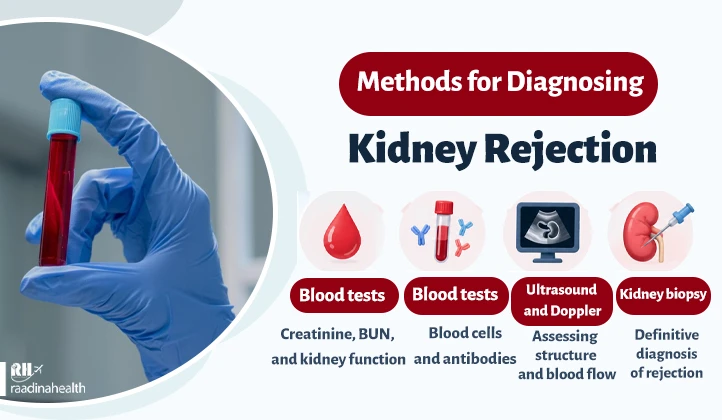
Various methods such as clinical examinations, monitoring kidney function, and performing tests are used to diagnose kidney rejection. These methods include:
- Periodic Blood Tests: To check creatinine, BUN, and kidney function. (An increase in creatinine is usually the first warning sign.)
- Cell and Antibody Tests: The immune system produces antibodies to fight the new kidney.
- Imaging: Using ultrasound or Doppler to check blood flow and the structure of the transplanted kidney.
- Biopsy: Taking a sample from the transplanted kidney. This is the most definitive and accurate method for diagnosing kidney rejection.
Diagnostic Tests for Kidney Rejection
As mentioned above, diagnostic tests for kidney rejection include procedures such as blood tests, specific antibody testing, ultrasound, Doppler imaging, and kidney biopsy.
Methods for Treating Kidney Rejection
The treatment process for kidney rejection varies according to the type of rejection and the patient's condition. If the rejection is acute, it can usually be treated using medication therapy. In the case of chronic rejection, the treatment process will be more complex and longer.
Doctors must reduce the risk of rejection over a period by adjusting medications, controlling blood pressure, blood sugar, and lipids, and preventing infection. If treatment fails, the person must undergo dialysis or a repeat kidney transplant.
Medical Treatment and Immediate Actions
If symptoms of kidney rejection are observed, an immediate visit to the transplant center or hospital is essential. For medical treatment, the doctor may prescribe specific medications based on the patient's condition:
- High-dose Corticosteroids: Usually used for a few days to suppress the immune system and allow the new kidney to continue its function.
- Medication Adjustment: The doctor may change the dose of anti-rejection drugs (immunosuppressants), combine them, or switch them. Careful management of kidney transplant medications is essential for protecting the new kidney.
- Advanced Therapies: In severe or resistant cases, specific treatments such as monoclonal antibodies or plasmapheresis are used to remove anti-kidney antibodies.
- Infection Control: Necessary medications will be prescribed if an infection is detected.

How to Prevent Kidney Rejection?
Prevention is always better than cure. By following simple preventive measures, try to help the new kidney function and prevent its rejection:
- Regular Monitoring: Perform blood tests and periodic check-ups even if no symptoms of rejection exist.
- Strict Medication Adherence: Take prescribed anti-rejection medications accurately and regularly.
- Healthy Lifestyle: Exercise and maintain a balanced, nutritious, low-salt, and low-fat diet.
- Avoid Harmful Substances: Stay away from high-fat foods (like fast food), alcohol, and tobacco.
- Hydration: Drink sufficient water and low-sugar fluids to help the kidney perform its natural function.
- Infection Prevention: Keep the wound site clean, wash hands regularly, and avoid contact with sick individuals.
- Home Monitoring: Regularly check your blood pressure and blood sugar with home devices.
Summary
The possibility of kidney rejection exists for years after surgery. Therefore, individuals must follow medical instructions from the first day after the operation forever. Early diagnosis, adherence to medications, careful monitoring, a healthy lifestyle and nutrition, and periodic check-ups will greatly contribute to the success of the transplant.
Get a free consultation, precise treatment planning, dedicated support, and a personalized medical travel roadmap. Planning a kidney transplant in Iran? Contact the experts at Iran health agency today.
Contact us for a free initial consultation about Kidney Transplant
 WhatsApp
 Telegram
 Facebook
 Email
Frequently Asked Questions
Can we know the symptoms of kidney rejection without a test?
Yes, in most cases, kidney rejection has symptoms such as decreased urination, fever, swelling, or pain in the kidney area.
Can kidney rejection be reversed?
Yes, often. Acute kidney rejection can usually be reversed if detected early, typically with high-dose corticosteroids and adjustment of immunosuppressive drugs. Severe or resistant cases may require antibody therapy or plasmapheresis. Chronic rejection is generally not fully reversible, and treatment aims to slow further damage. Prompt medical attention and a biopsy to identify the rejection type are key to the outcome.
Can diet cause kidney rejection?
Not by itself. However, an unhealthy diet increases the risk of rejection.
Does exercise affect kidney rejection?
Intense and strenuous exercise may increase the probability of rejection, whereas mild and regular exercise—with a doctor's approval—will greatly help the success of the surgery.

No reviews
Your comment