
Anti Rejection Medications After Kidney Transplant: cost & Safe Use
Kidney Transplant
Kidney transplantation is an established surgical procedure that serves as a definitive treatment for chronic kidney failure. The success of the operation depends on various factors such as the expertise of the surgeon, post-operative lifestyle, and, most importantly, the regular consumption of medications. The success of the transplant is not confined to the operating room; the body can reject the kidney months or even years later. Timely medication is one of the most critical factors for long-term success. These drugs help maintain electrolyte balance, prevent infection, and increase the likelihood of the body accepting the new organ. Failure to take them accurately and on time can lead to serious complications.
The Importance of Discipline in Taking Transplant Medications
While consistency is important for any medication, it is absolutely vital for post-kidney transplant care. Certain medications, such as Tacrolimus and Cyclosporine, have a specific half-life. If you do not take them at the exact scheduled time, their effectiveness significantly diminishes. This causes the concentration of the drug in the blood to drop, which can stimulate the immune system to attack the new organ. Statistics show that most cases of transplant rejection occur due to forgotten doses or self-adjusted dosages. Therefore, adherence to the medication schedule is very important and critical. Lack of discipline not only increases the risk of rejection but also leads to inflammation and infection.
How to Use the Medications Correctly
You must follow your doctor’s instructions strictly and never change the dosage on your own. However, there are general guidelines for these drugs:
- Immunosuppressants (e.g., Tacrolimus, Cyclosporine): These should typically be taken at a fixed hour every day, either two hours before or two hours after a meal to ensure consistent absorption.
- Corticosteroids (e.g., Prednisolone): These are usually taken in the morning to minimize hormonal side effects.
- Administration: If a pill is non-chewable, crushing or chewing it may negatively impact its efficacy. Therefore, the medications must be administered according to the doctor’s prescription.
- Interactions: Supplements and vitamins should not be taken simultaneously with primary transplant medications, as they can interfere with absorption or dangerously strengthen/weaken the immunosuppressive effect.
Common Side Effects of Kidney Transplant Medications
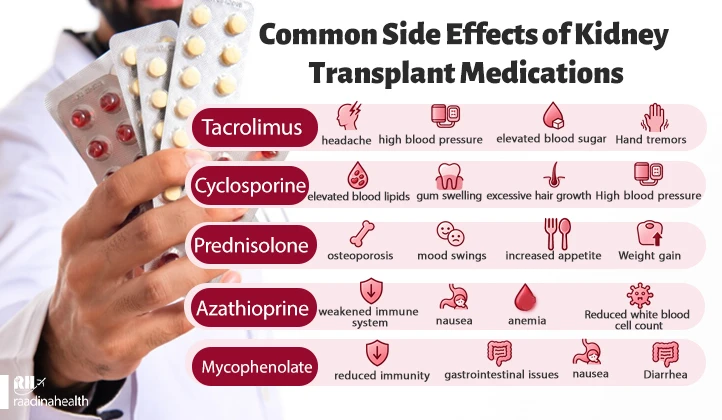
Like all medications, transplant drugs can have side effects, though they vary from person to person. Some patients experience zero side effects, while others encounter a number of them. Regular blood tests and dosage adjustments help minimize these side effects. Some of the common side effects of kidney transplant medications include:
- Tacrolimus: Hand tremors, increased blood sugar, high blood pressure, hair loss, headache, and anxiety.
- Cyclosporine: High blood pressure, hirsutism (excess hair growth), gingival hyperplasia (gum enlargement), mild kidney issues, and high blood lipids.
- Prednisolone: Weight gain, increased appetite, mood swings, osteoporosis, and high blood pressure.
- Azathioprine: Reduced white blood cell count, anemia, weakened immune system, and nausea.
- Mycophenolate (CellCept): Diarrhea, nausea, digestive disorders, and mild hair loss.
Prohibited Medications After Transplant
It is critical that a transplant patient never takes any new medication—even over-the-counter drugs for a common cold or cough—without consulting their physician.
- NSAIDs: Drugs like Ibuprofen, Naproxen, and Diclofenac can damage the new kidney.
- Specific Antibiotics/Antifungals: Erythromycin or Ketoconazole can alter the blood levels of anti-rejection drugs, potentially causing drug toxicity.
What to Do If You Forget a Dose?
This depends on how much time has passed since the scheduled dose:
Less than 2 hours: Take the missed dose immediately and continue with your next dose at the usual time.
More than 2 hours: Skip the missed dose and wait for the next scheduled time.
Warning: Never take two doses at once to make up for a missed one. This increases the risk of toxicity and kidney dysfunction. Use reminders, apps, or pill boxes to ensure you stay on track.
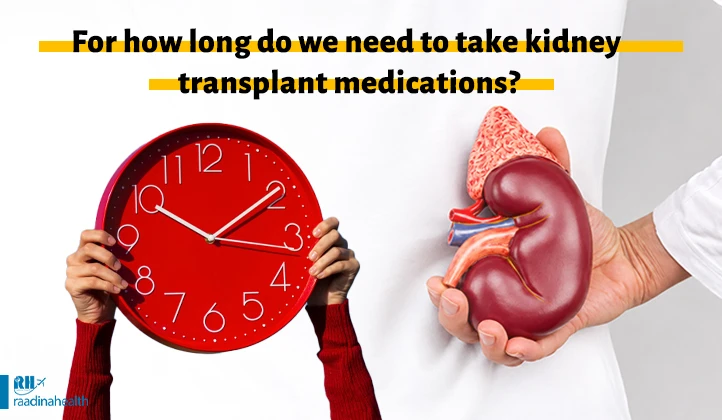
How Long Must You Take Kidney Transplant Medications?
Post-transplant care is a lifelong commitment. The body never fully "gets used" to the new kidney to the point of not needing help; the immune system is always capable of activating. While dosages may be reduced or the regimen adjusted over the years, anti-rejection medications must generally be taken for life. So, you must never discontinue your medications on your own under any circumstances.
Food and Kidney Transplant Drugs Interactions
Having a healthy and nutritious diet after kidney transplant surgery is very important. Some foods can alter the effect of important medications such as Tacrolimus and Cyclosporine. For example, grapefruit and pomegranate, or their juices, increase the absorption of these drugs and create a risk of toxicity. Additionally, fatty foods and high-protein meals decrease the absorption of these medications.
Required Medications and Herbal Supplements After Kidney Transplant Surgery
Many patients require medicinal and herbal supplements after a kidney transplant. The crucial point is that no medication or supplement should be taken arbitrarily and without a doctor's approval. Typically, physicians prescribe the following medications and supplements to strengthen the body:
- Vitamin D, Calcium, and Magnesium: To prevent osteoporosis.
- Iron and Vitamin B12: To prevent anemia and maintain energy levels.
- Certain Herbal Teas and Medicinal Plants: Such as Iranian Borage, Chamomile, and Mint.

Side Effects of Anti-Rejection Medications for Kidney Transplant
Anti-rejection medications are considered the most important factor in post-transplant care; however, these drugs can also have side effects. Side effects of these medications include digestive problems, nausea, vomiting, osteoporosis, and changes in blood sugar levels.
Cost of Kidney Transplant Medications (Approximate in Iran)
Costs vary by brand (domestic vs. imported) and insurance coverage. Some medications are covered by insurance, while others must be purchased at full price. An approximate price list for the medications is provided below:
- Tacrolimus (Domestic): $6 to $12
- Tacrolimus (Imported): $23 to $40
- CellCept (Domestic): $7 to $10
- CellCept (Imported): $23 to $35
- Prednisolone: 30 to 60 cents
- Supplements/Vitamins: $1.5 to $4
Summary
Kidney transplant medications are the pillar of maintaining organ health and function. Precision and discipline are essential; drugs must be taken at the exact hour prescribed. Never stop or change a dose autonomously, and always consult your doctor before taking any additional medication, including simple cold remedies.
Get a free consultation, precise treatment planning, dedicated support, and a personalized medical travel roadmap. Contact the experts at Iran health agency today.
Contact us for a free initial consultation about Kidney Transplant
 WhatsApp
 Telegram
 Facebook
 Email
Frequently Asked Questions
What is the purpose of Tacrolimus or CellCept?
They reduce immune system activity to prevent the body from rejecting the new kidney.
Are kidney transplant medications expensive?
They can be, but in Iran, insurance covers a significant portion of the cost for many patients.
Do I have to take these for the rest of my life?
Yes, anti-rejection medications are a lifelong necessity.
Are other medications needed?
Yes, vitamin and mineral supplements are usually required to offset the side effects of primary drugs, but they must be taken only with a doctor’s prescription.

No reviews
Your comment