
Post Kidney Transplant Care at Home: Recovery & Sleeping Position
Kidney Transplant
A kidney transplant is a surgical procedure performed in Iran and many countries worldwide. In this operation, a kidney from another person is transplanted into an individual with kidney failure. This procedure can create significant changes in health and life quality, allowing the recipient to lead a healthy and normal life.
However, a kidney transplant is a major surgery, and its success depends on several factors most importantly, post-operative care. Adhering to hygiene protocols, healthy nutrition, correct medication use, and physical activity are vital components of recovery. Follow along as we dive deep into this topic.
How to Prevent Post-Transplant Infections?
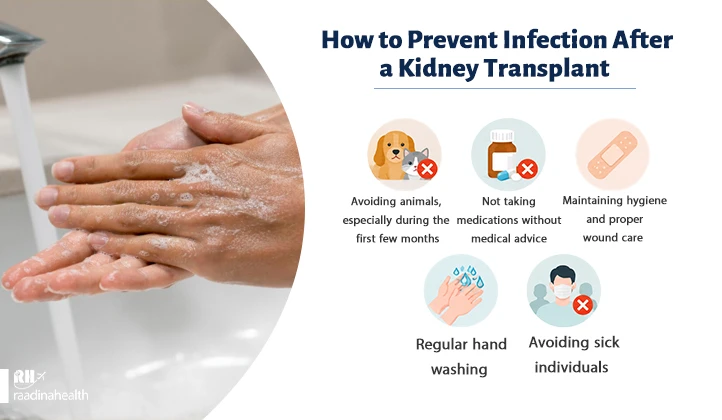
After surgery, immunosuppressant drugs are prescribed to help the body accept the new organ and prevent rejection. Consequently, the immune system becomes weaker, making the body more susceptible to infections, germs, and viruses. The following strategies help reduce infection risk:
- Wash hands regularly, especially before eating, after touching various surfaces, and after using the restroom.
- Avoid contact with individuals showing symptoms of illness.
- Keep away from pets and domestic animals, particularly during the first few months post-transplant.
- Avoid taking other medications or supplements without a doctor's prescription.
- Maintain wound hygiene by properly cleaning and drying the surgical site.
Following these principles, especially in the initial weeks and months, significantly reduces the risk of infection.
How Long is the Hospital Stay?
In most centers, a patient can be discharged within three to five days upon a doctor's order. In cases where the surgery was complex or complications arise, the stay may extend to 7–10 days. In specific instances, the doctor may determine that the patient needs a few extra days for observation.
Surgical Wound Care
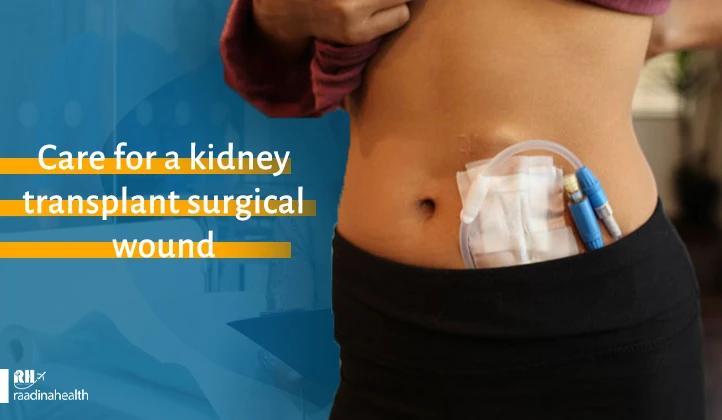
The incision site where the new kidney and blood vessels are connected requires special care.
- Keep it clean and dry: Avoid direct contact with soap and water during showers; you can cover the area with plastic.
- Change dressings: Dressings should be replaced as directed by your physician. Failure to do so may lead to infection.
- Avoid heavy lifting: Do not lift heavy objects or perform strenuous stretching for the first few weeks to prevent stitches from tearing.
- Monitor for infection: Contact your transplant team immediately if you notice redness, swelling, severe pain, or high fever.
What Is the Best Sleeping Position After a Kidney Transplant?
After a kidney transplant, sleeping on your back is usually the most comfortable option during the early recovery period, as it helps minimize pressure on the surgical incision and the area where the new kidney has been placed. Using pillows to support your body may also help reduce discomfort and make it easier to maintain a comfortable sleeping position.
You should generally avoid sleeping on your stomach or in any position that puts pressure on the transplanted kidney or causes pain around the incision. The transplanted kidney is usually placed in the lower abdomen, so pressure on this area should be minimized while the surgical wound heals. NHS Blood and Transplant
Sleeping on your side may become comfortable as recovery progresses, but the timing can vary depending on the location of the incision, pain level, and your surgeon's instructions. There is no fixed number of days after which every patient can safely return to a particular sleeping position. If a position increases pain, pulls on the incision, or puts pressure on the transplant area, change positions and discuss persistent discomfort with your transplant team.
Quarantine and Hygiene Tips After Kidney Surgery
One of the important items for the success of a kidney transplant is observing hygiene principles and limiting contact with others. As much as possible, the individual should not be present in crowded or high-traffic gatherings for several weeks (approximately two months). If someone at home is ill or has symptoms of infection, maintain a proper distance. To prevent skin infections and sensitivity to sunlight due to transplant medications, use a sunscreen with an appropriate SPF, even if staying indoors all day.
Furthermore, the person's living environment must be completely clean and have proper ventilation. For the first few weeks, the person should not sleep on the wound or bend over. Physical activity and exercise will gradually help improve health. Exercises such as walking on a treadmill or using a stationary bike will be helpful after six weeks.
The Best Effective Diet After Kidney Transplant
The diet after a kidney transplant should be chosen so that, in addition to promoting healing, it does not put extra pressure on the kidney and helps control the side effects of medications. A proper diet helps maintain a healthy weight and reduces the risk of diabetes and high blood lipids. Consider the following for a suitable diet:
- High-Quality Protein: For wound repair and muscle maintenance (lean chicken, fish, low-fat dairy, eggs, and legumes).
- Fresh Fruits and Vegetables: To receive fiber, vitamins, and minerals.
- Sufficient Water: Must be included in the daily plan.
- Avoidances: Limit high salt intake, high-fat foods, sweets, fast food, canned/processed foods, and sugar as much as possible.

Why is Weight Management Important After Kidney Transplant?
After a kidney transplant, some medications like corticosteroids may cause an increase in body fat and weight gain. This increases the pressure on the kidney and is harmful to the cardiovascular system. Consequently, the person must maintain their weight in a suitable range by following nutritional strategies.
Avoid high-calorie, low-value foods (empty calories) like sodas and sweets. In case of unusual weight gain or loss, be sure to consult the transplant team or a nutritionist.
How to Perform Useful Exercises After Kidney Transplant
Exercise after kidney transplant surgery is not only not harmful, but it can also improve the kidney's function, help maintain cardiovascular health, control weight, and boost the individual's morale.
The individual can gradually and only with the doctor's consultation and prescription start simple activities like light walking. In the following weeks, the person can begin other exercises such as cycling, swimming, stretching, or light aerobic movements.

Post-Kidney Transplant Care During Pregnancy
Doctors recommend that women do not attempt to get pregnant for at least one year after a kidney transplant. The body needs enough time to stabilize the new kidney, adjust medications, and achieve full recovery.
If a transplant is required during pregnancy, the procedure is undoubtedly more complex and requires a high level of expertise from the medical team. In such cases, an obstetrician-gynecologist must assist the surgical and transplant team. Medications must be used in a way that minimizes harm to the fetus. Kidney function tests, medical care, and ultrasounds must be performed regularly to protect the health of both mother and fetus.
How to Control Blood Pressure After Kidney Transplant?
High blood pressure can put pressure on the transplanted kidney and cause vascular problems, increasing the risk of rejection. Certain medications and a proper diet help control blood pressure:
- Limit salt intake.
- Consume sufficient fluids and water.
- Control body weight and keep it in a normal state.
- Engage in light but regular physical activity (with doctor's approval).
- Take prescribed medications at their exact scheduled time.

Summary
A kidney transplant is the start of a new chapter in a patient's life. This surgery is very complex, and its success depends on various factors. Post-operative care is a critical factor that directly affects the acceptance or rejection of the transplant. Timely medication, wound care, proper nutrition, exercise, and sufficient rest are among the important items that must be fully observed after the operation.
Timely medication, wound care, proper nutrition, exercise, and sufficient rest must all be followed carefully after the operation. To learn more about the kidney transplant in Iran, contact our consultants.
Get a free consultation, precise treatment planning, dedicated support, and a personalized medical travel roadmap. Contact the experts at Raadina medical tourism company today.
Contact us for a free initial consultation about kidney transplant
 WhatsApp
 Telegram
 Facebook
 Email
Frequently Asked Questions
How long is the quarantine after a kidney transplant?
Depending on the patient's condition, the quarantine period varies from two weeks to several months.
How many days after the transplant can I be discharged?
Usually, the person can be discharged three to five days later, depending on their condition.
How many weeks is the recovery period after a kidney transplant?
The main recovery period is about six to eight weeks, but full recovery may take several months.
When can I return to work or school?
The wounds must be completely healed, and the doctor must provide approval. This usually takes between several weeks to a few months.
Is smoking possible after the operation?
Smoking after a transplant increases risks such as infection, vascular problems, and kidney rejection.
Does a kidney transplant have a negative impact on dental health?
Immunosuppressant drugs may affect gum and oral health. Therefore, maintaining oral hygiene after the operation is very important.

No reviews
Your comment