
Pregnancy in people with HIV is no longer considered an impossible decision as it once was. With regular medication and careful medical care, safe pregnancy is possible, but this decision requires full awareness of the risks, responsibilities, and individual circumstances. Factors such as viral load, adherence to treatment, the health status of the sexual partner, and access to specialized care play a decisive role. This article examines the medical, psychological, and ethical dimensions of deciding to become pregnant with HIV.

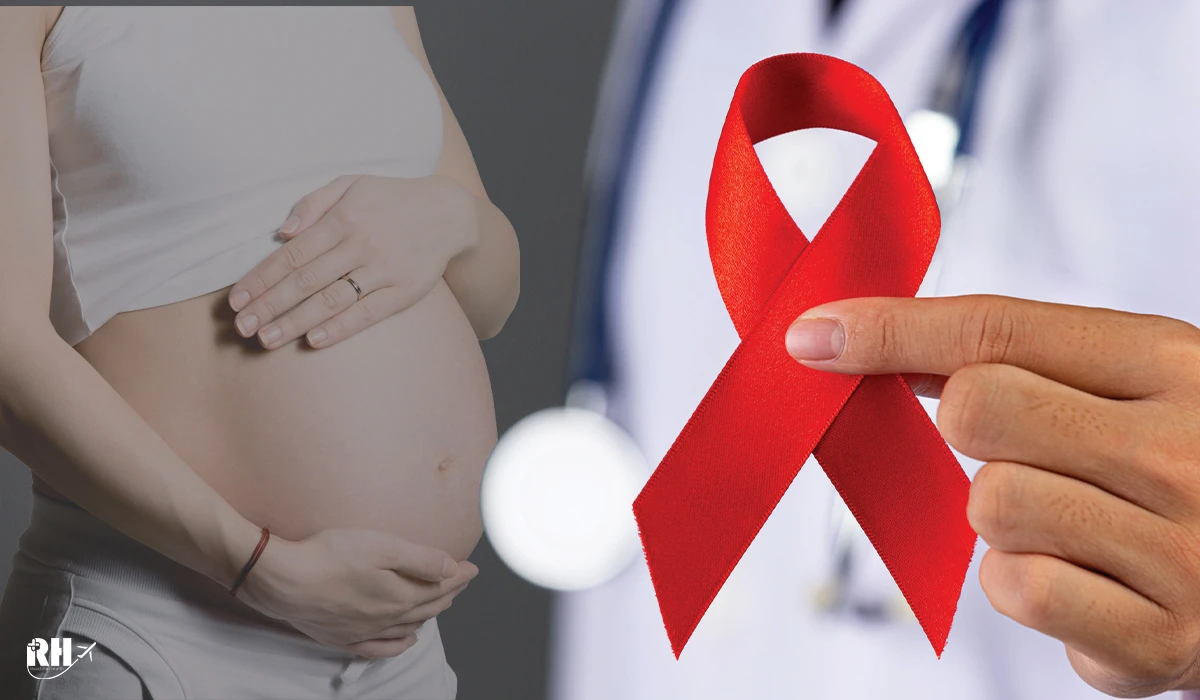
Pregnancy in women with HIV requires special medical and pharmaceutical care to minimize the risk of transmitting the virus to the fetus or newborn. With appropriate treatment, regular use of antiretroviral drugs (ART), and controlled delivery, the risk of transmission of the disease is reduced to less than 2%. In this article, we review the main risks, critical care, and scientific strategies for having a safe pregnancy in women with HIV.

Sperm Washing is considered one of the most advanced scientific approaches to safe fathering in men with HIV. In this method, sperm is separated from other seminal fluids to remove virus-carrying particles, and then the healthy sperm are used in the in vitro fertilization (IVF or IUI) process. Studies have shown that when this technique is performed correctly, the likelihood of transmitting HIV to the partner or fetus is almost zero. In this article, the procedure, success rate, and medical considerations for Sperm Washing are reviewed.

Advances in medical studies have found effective methods to reduce the risk of HIV and AIDS transmission from an infected mother to her child, including antiretroviral therapy and the use of alternative feeding. Sometimes geographical limitations, facilities, access, economic conditions, etc. cause the recommended guidelines in Iran to differ from those in other countries of the world. For this purpose, this article from Radina Salamat examines the challenges and solutions to reduce the risk of AIDS in newborns.
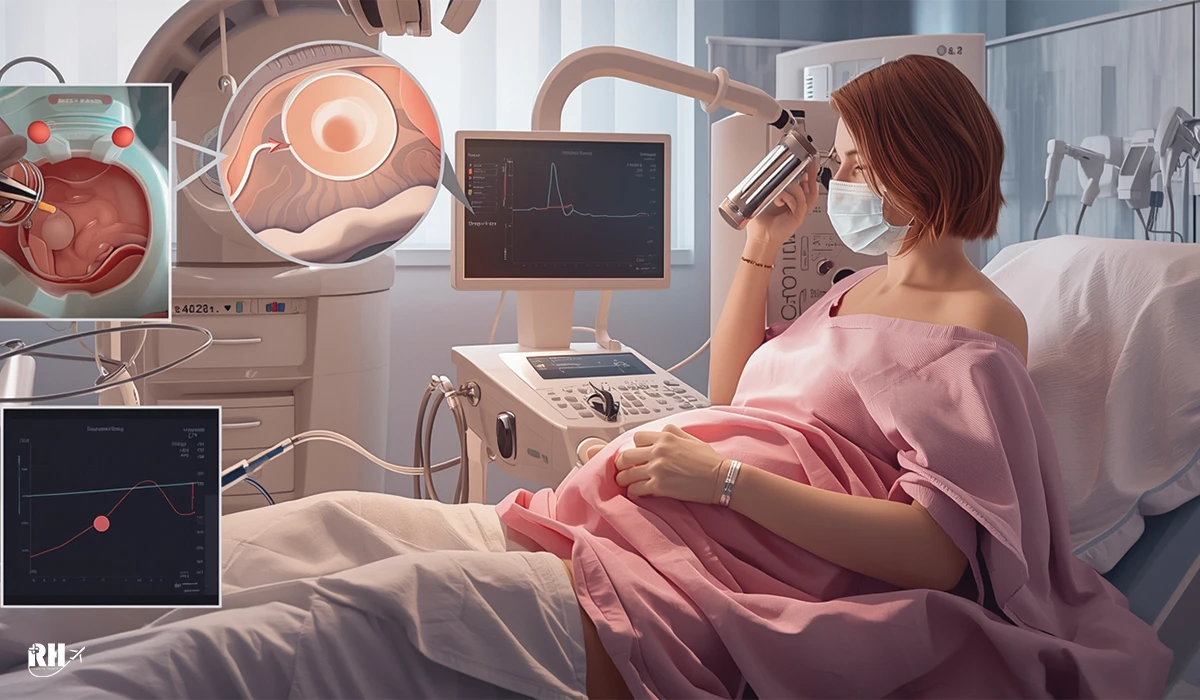
Low AMH indicates a reduced ovarian reserve, but it does not mean that the chances of pregnancy are completely gone. IVF can be effective for women with low AMH, but the outcome depends on a number of factors, including age, egg quality and response to treatment. Many women with low ovarian reserve have been able to conceive using specialist IVF methods. In this article, we look at how low AMH affects IVF and what steps can be taken to improve the chances of success.

Choosing the best country for infertility treatment and IVF is one of the most sensitive and life-changing decisions for couples on the way to parenthood, and it depends not only on medical aspects but also on cost, national regulations, quality of service, and psychological support. You have to look at the nuts and bolts carefully to find the best solution for your unique situation. In the following article, we have taken a deep dive into the most important factors to consider when choosing a medical destination. We have also offered a clear comparison of countries in terms of cost and success rates, as well as essential tips to consider before you embark on a medical journey – all based on the latest data.

Artificial intelligence, as an emerging technology, is changing the way infertility is diagnosed and treated. By analyzing medical data with great precision, AI can help select the best embryo and increase the chances of treatment success, though it is still used as a complementary tool. From assessing embryo quality to predicting treatment outcomes, AI has improved the accuracy of decision-making. In this article, we look at how this technology is used in infertility treatment and what impact it will have on the future of fertility.
Before deciding to become pregnant, people living with HIV and AIDS should undergo a series of specialized screenings and Screening to determine their general health status and control of the virus in the body. These screenings include viral load Screening , CD4 cell count, liver and kidney health assessment, sexually transmitted disease (STD) Screening , hormonal and genetic Screening . The purpose of these Screening is to ensure the body is ready for pregnancy and prevent transmission of the virus to the fetus. In this article, the details of each stage of screening and its importance are scientifically examined.

Before getting pregnant, women living with HIV need to pay more attention to their nutrition, general health, and lifestyle than ever before. Taking regular antiviral medications, maintaining a strong immune system, eating a diet rich in vitamins, protein, and antioxidants, and avoiding stress play a vital role in preparing the body for pregnancy. This article provides nutritional strategies, lifestyle recommendations, and medical care for a safe pregnancy in people living with HIV, based on scientific sources.

Gender reassignment or gender transition is a multidimensional process that can include social, psychological, medical, and in some cases surgical steps. The main goal of this process is to harmonize a person's gender identity with their physical appearance and function. Depending on the needs and circumstances of each individual, transition can include hormone therapy, upper and lower body surgeries, psychological support, and changing identity documents.