
Male Infertility Treatment: Natural Ways and Home Remedies
Male Infertility/39_1786422544_medium.webp "Male Infertility Treatment: Natural Ways and Home Remedies")
Many men who have fertility problems prefer trying natural treatments before googling “the best fertility specialist near me”. They want low-risk treatments to improve their sperm quality and increase their chance of becoming a father. In some cases, healthy lifestyle changes, herbal products, and avoiding certain foods improve sperm count, motility, and morphology. However, home remedies should be only a part of the treatment, not a replacement for modern medicine, because they have their own drawbacks and limits.
If infertility is caused by structural problems, such as grade 3 varicocele, ejaculatory duct obstruction (EDO), or severe hormonal disorders, herbal teas and concoctions alone won't solve the problem. Also, waiting too long to see a urologist or fertility specialist will only worsen the situation.
In this article, we have listed the best natural ways to treat male infertility based on the latest findings. Plus, we have explained possible interactions between herbs and medications, which home remedies are scientifically approved, and when it's time to stop trying home treatments and try modern medicine.
Whether you need help reading your semen test results or finding the best fertility clinic, the experienced team of Raadina Health is ready to answer your questions.
Why Are Home Remedies Different for Every Man?
There is no single traditional treatment that works for every type of male infertility. There are tens of reasons why a man suffers from infertility, such as low sperm count, low sperm motility, abnormal sperm morphology, ejaculatory duct obstruction, hormone imbalances, or serious conditions like varicocele. Since the reasons are different, the treatment should be different too.
There are also other factors that specialists consider before recommending herbs or other therapies, like the patient’s body type, overall health, age, sleep quality, condition of the digestive system, diet, and daily habits. That's why natural ways to treat male infertility can vary from one person to another, and there is no single remedy that works for everyone.
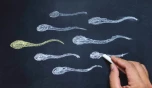
Foods That Improve Sperm Quality
According to Harvard Medical School, a diet rich in fruits, vegetables, whole grains, nuts, fish, and healthy fats increases sperm quality. Antioxidant-rich foods also reduce the damage to sperm cells caused by free radicals. Note that a healthy diet can improve male fertility, but food alone cannot solve all problems. Here are the best foods you should add to your plate:
- Walnuts: are rich in omega-3 fatty acids and antioxidants that improve sperm motility.
- Fatty fish: Like salmon, sardines, and mackerel, are high in omega-3, which reduce reproductive system inflammation and improve sperm parameters.
- Eggs: are a great source of protein and choline. They are both important for having healthy sex cells.
- Citrus fruits: such as oranges and grapefruits, are full of vitamin C, which protects sperm from oxidative damage.
- Tomatoes: Contain lycopene, an antioxidant that increases sperm quality.
- Spinach: is high in folate, a nutrient necessary for normal cell division and healthy sperm production.
/41_1786422690_large.webp "Useful foods to improve sperm quality in men")
The Best Concoctions for Male Fertility
According to the National Center for Complementary and Integrative Health (NCCIH), some herbal teas and concoctions are rich in antioxidants and minerals; however, they won’t do miracles. In fact, there is still no scientific evidence that they can cure male infertility 100%. Some of the best concoctions for men include:
- Honey mixed with walnuts, pistachios, and sesame seeds
- Tahini and grape molasses with black seed (Nigella sativa)
- Grounded carob mixed with honey and milk
- Royal jelly with honey and bee pollen
- A mix of jujube, ginger, cinnamon, and honey
What Foods Reduce Male Fertility?
Not all foods and herbs improve male infertility. According to research by Mayo Clinic, an unhealthy diet increases oxidative stress and inflammatory reactions in the genital tract. Both of these problems result in low sperm production. So, if you're trying to conceive, limit or avoid the following foods:
- Fast foods like burgers, pizza, fried chicken, and hot dogs
- Foods fried in reused oil
- Processed meats such as sausages, ham, and other types of deli meats
- Foods high in trans fats, including donuts, non-homemade pastries, and cream-filled biscuits
- Soft drinks
- Too much coffee or other caffeinated drinks
- Processed snacks like chips and cheese puffs
- Canned foods that are high in sodium
- Cigarettes, hookah, and other tobacco products
- Excessive amounts of lamb liver and other foods high in vitamin A
/45_1786422716_large.webp "Foods and habits that harm sperm production?")
How Dietary Changes Helped Ali
Ali, a 33-year-old man, visited a fertility specialist after he and his wife had been trying to conceive for a year without success. During his first appointment, the doctor asked detailed questions about his lifestyle and eating habits. Ali explained that both he and his wife worked full-time, so they didn’t have time to prepare meals at home and ordered from nearby restaurants every day. He also admitted that he smoked heavily every day.
The doctor ordered a semen analysis and other tests, then recommended several lifestyle changes, especially improving his diet and quitting smoking. About six months later, Ali repeated his tests. The results were marvelous! His sperm became normal and healthy again. A few months later, his wife became pregnant with a healthy baby. Today, Ali still follows the same healthy habits. He says that changing his lifestyle didn't just improve his fertility; it also gave him better sleep, more energy, and a better sex life.
Herbal Products for Male Infertility
Many herbal products are good for improving male fertility and increasing sperm production. Some of the most common ones include ginseng, royal jelly, carob, jujube, black seed, ginger, cinnamon, maca root, tribulus, nettle, bee pollen, sesame seeds, and pumpkin seeds. These herbs improve your:
- Overall health
- Blood circulation
- Metabolism
- Reproductive health
- Oxidative stress
So, they can directly and indirectly affect your sperm quality and fertility condition. However, you should have realistic expectations. If infertility is caused by varicocele, blocked sperm ducts, genetic disorders, or severe hormone imbalances, herbal products alone won’t fix the problem. In these cases, you need advanced fertility treatments, such as hormone therapy and surgery.
Also, note that "natural" doesn't always mean "safe." Some herbal supplements can interact with hormone medications, blood thinners, or diabetes drugs. So, before trying any of these natural medications, talk to your doctor to make sure they're safe for you.
/nabarvari_mardan_1785664561_small.webp "درمان ناباروری مردان")
How to Increase Blood Flow to Testicles Naturally
Traditional medicine believes that increasing blood circulation in the testicles and other reproductive organs makes them work better. Modern medicine also agrees, but the important point is that too much blood flow and heat in the testicles can actually reduce sperm production. That’s why natural methods should always be used with caution and under a doctor’s supervision. Here are the most popular techniques to increase blood flow in the testicles naturally:
Acupuncture
Acupuncture is one of the oldest ways to treat male infertility. In this traditional Chinese treatment, the specialist inserts very thin needles into specific parts of the body to balance the body's energy. In some men, acupuncture reduces stress, improves blood flow to the pelvic area, reduces inflammation, and improves sperm motility (rare but possible).
Leech Therapy
Leech therapy is also a useful technique to improve blood circulation and treat different diseases, including infertility. However, there is no strong scientific evidence showing that it improves sperm quality.
If you have decided to try leech therapy, find a reliable and licensed medical center. Receiving leech therapy in an unhygienic clinic can increase the risk of infection, bleeding, allergic reactions, and catching serious diseases.
Massage Therapy
Long-term stress can affect sex hormones and cause infertility. Massage therapy can reduce stress levels, relax tight muscles, and balance blood circulation throughout the body. Some doctors recommend only gentle massage of the lower back, pelvic area, and legs to treat male infertility. However, direct or deep massage of the testicles is not recommended because it may add fuel to the fire.
Cupping Therapy
In traditional medicine, it's believed that cupping therapy improves blood circulation, reduces blood stagnation (or blood stasis), and helps the body remove waste products. There is no doubt that cupping therapy is beneficial, but more clinical studies are needed to approve it as a male infertility treatment.
Male Infertility Treatment by Changing Lifestyle
According to the World Health Organization (WHO) and the European Association of Urology (EAU), lifestyle changes can greatly affect reproductive health in both men and women. In many cases, changing daily habits can increase sperm quality within a few months and raise the success rates of male infertility treatment. Here are some of the most important lifestyle changes for men with infertility:
- Keeping the BMI in a normal range.
- Quitting smoking, hookah, and drugs.
- Avoiding alcoholic beverages.
- Doing at least 150 minutes of moderate exercise each week.
- Sleeping 7–9 hours every night.
- Having a balanced diet rich in fruits, vegetables, whole grains, fish, and nuts.
- Managing stress through exercise, meditation, or counseling.
- Avoiding hot environments, such as saunas and hot tubs.
- Wearing comfortable, loose-fitting underwear instead of tight clothing.
- Avoiding sitting for long hours without taking breaks.
- Avoiding fast foods, sugary snacks, and processed foods.
- Treating chronic conditions such as diabetes, high blood pressure, and thyroid disorders.
/53_1786422756_large.webp "The impact of a healthy lifestyle on the treatment of male infertility")
Is Traditional Medicine 100% Guaranteed?
The short answer is no. While some natural treatments improve overall health and sperm quality, no home remedy works for sure. Male infertility can have many different causes, so finding the underlying problem is the first step in choosing the right treatment.
After identifying the cause of infertility, your doctor can recommend the most suitable treatment. Traditional treatments such as acupuncture, herbal products, homemade concoctions, and lifestyle changes should be used alongside medical treatments, not as a replacement.
The Last Words
Traditional medicine has been used for centuries to treat health conditions, including fertility problems. Herbal supplements, concoctions, acupuncture, cupping therapy, and healthy lifestyle changes are the most popular methods in traditional medicine. However, they are not a cure for male infertility and should never replace medical treatments and surgeries. If you're struggling to conceive, finding the underlying cause is the first and most important step.
Don’t know where to start? Contact the Raadina Health team, an experienced Iran health agency specializing in fertility care. Here, a team of specialists reviews your medical history, orders necessary fertility tests, interprets your semen analysis results, identifies the cause of infertility, and helps you choose the most suitable treatment plan.
Contact us for a free initial consultation about Infertility treatment
 WhatsApp
 Telegram
 Facebook
 Email
Email
FAQs
What are the best home remedies for male infertility?
Some of the best home remedies for male infertility are eating a healthy diet, maintaining a healthy weight, quitting smoking and drinking, getting enough sleep, exercising regularly, reducing stress, and eating foods rich in antioxidants.
Can honey treat male infertility?
Traditional medicine usually suggests eating a mix of honey with nuts, carob, or black seed. These concoctions increase your energy and improve your overall health, but there is no scientific evidence that they can cure infertility.
Does royal jelly increase sperm?
Royal jelly is a type of honey bee secretion that contains proteins, amino acids, vitamins, and antioxidant compounds. A few studies have shown that royal jelly improves sperm quality, but doctors are still not 100% sure whether it actually works.
Is ginseng good for male fertility?
Ginseng increases energy levels, reduces oxidative stress, and improves sperm parameters in some men. However, there is still not enough evidence to confirm its effectiveness.
How does carob help male fertility?
Carob contains a high level of antioxidant compounds. When it’s mixed with honey and other herbs, it improves overall health and sperm quality.
What are the benefits of jujube for male infertility?
From the beginning of time, jujube has been used to relax the nerves and improve general health. If you add jujube to your balanced diet, you can see its magical effects on your health. Despite its many benefits for the body, it is not a proven treatment for male infertility.
What is the best home remedy for poor sperm quality?
There is no single home remedy to cure poor sperm quality. However, herbs such as ginseng, carob, tribulus, ashwagandha, ginger, and black seed are the most popular ones in traditional medicine.

No reviews
Your comment