
The Effect of Follicle Size on Having a Boy; Myth or Reality?
Embryo gender selection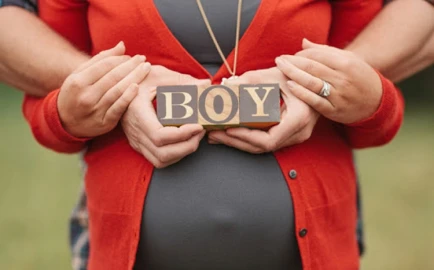
Determining the sex of the fetus is nowadays one of the most popular topics before conception. Most couples use dietary regimens, vaginal douching, intercourse at a specific time during the ovulation window, etc., to determine the gender. One of the main topics in the discussion of gender determination is the relationship between follicle size and the sex of the fetus.
Follicle Growth Cycle
When the menstrual cycle starts regularly, a part of the brain called the hypothalamus secretes a hormone called gonadotropin-releasing hormone (GnRH). This hormone signals the pituitary gland to release two hormones: FSH and LH.
After the period ends, the FSH hormone causes the growth of about 15 to 20 follicles in the ovary. However, usually only one of these follicles reaches full maturity, and it is called the dominant follicle. This follicle reaches its maximum size about 24 hours before ovulation and gets ready to release the egg.
Optimal Follicle Size for Pregnancy
The normal follicle size for pregnancy is about 18 to 36 millimeters. In fact, a woman can get pregnant if she has a follicle of the mentioned size and tries to conceive during the ovulation window.
/____________1783845518_small.webp "از چه هفتگی و چه ماهی می توان جنسیت جنین را فهمید؟")
Follicle Size and Fetal Gender Determination
For the chances of pregnancy to be high, the ovarian follicle size should be between 18 and 36 millimeters. If you try to conceive within this range and at the time of ovulation, the probability of success is higher.
Contrary to some beliefs, follicle size plays no role in determining whether the fetus is a girl or a boy. The reason is that the sex of the fetus depends on the type of sex chromosome. Every cell in our body has 46 chromosomes (23 pairs), one pair of which is the sex chromosome.
/8_1783327844_small.webp "آیا تعیین جنسیت صددرصد ممکن است؟")
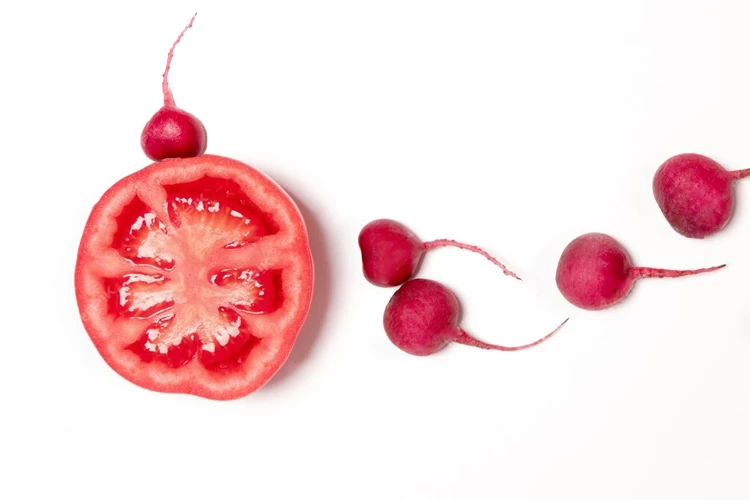
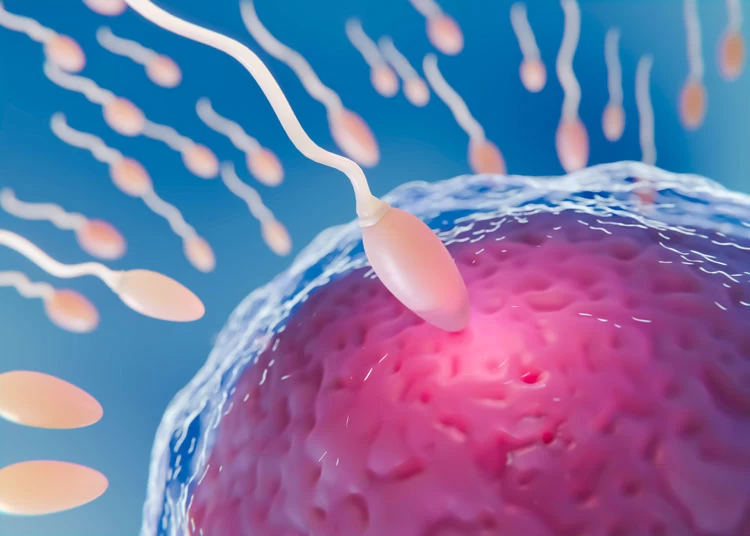
The egg always has an X chromosome, but the sperm may have an X or Y chromosome. If an X-bearing sperm fertilizes the egg, the fetus will be a girl (XX), and if a Y-bearing sperm fertilizes it, the fetus will be a boy (XY). Therefore, follicle size is only important for egg health and the likelihood of pregnancy, not for the sex of the fetus.
Get a free consultation, precise treatment planning, dedicated support, and a personalized medical travel roadmap for gender selection in Iran. Contact the experts at Raadina medical tourism company today.
Contact us for a free initial consultation about gender selection
 WhatsApp
 Telegram
 Facebook
 Email
Email
Frequently Asked Questions
Can a 24 mm follicle size increase the chances of having a baby boy?
Some people believe that larger follicles, especially those around 24 millimeters, slightly increase the chances of having a boy, but no definitive scientific study has confirmed this.
Does ovulation from the right ovary increase the likelihood of having a male fetus?
Limited studies suggest that there might be a slight difference between the right and left ovary, but this cannot be considered a reliable scientific rule. Genetics and random factors play the main role in gender determination.
Does the dominant follicle in the left ovary affect the sex of the child?
There is no credible scientific evidence showing that a dominant follicle in the left ovary leads to the birth of a girl or a boy. The only clear effect of the follicle is on the ovulation process and preparing the egg for fertilization, not on the sex of the fetus.



No reviews
Your comment