
In a kidney transplant, a healthy kidney is received from a living or brain-dead donor and is transplanted into a person with kidney failure. Before the surgery, the surgical team evaluates the medical history of the donor and orders several compatibility tests. After the transplant, the patient must take anti-rejection medications regularly and attend follow-up appointments. In general, kidney transplant has a high success rate, but only if the patient follows the post-op care tips carefully.

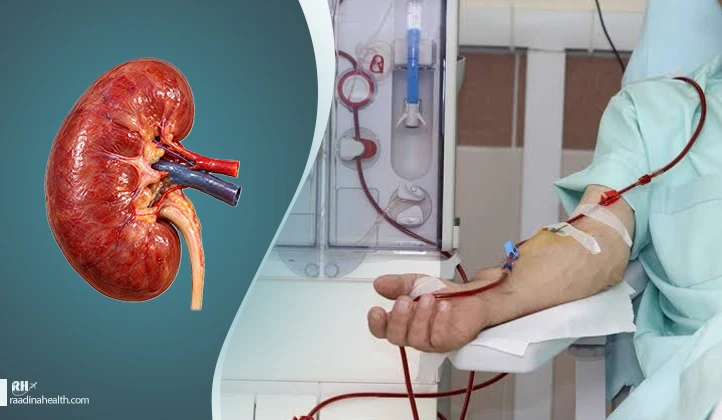
For kidney failure patients, choosing between dialysis and transplantation is a critical decision. Dialysis sustains life temporarily, while transplantation often offers better quality of life and long-term survival though each option carries its own risks and limitations. This article compares their medical, lifestyle, cost, and long-term outcomes to help patients and families decide.
After a kidney transplant, patients often have many questions about medication, daily activities, nutrition, possible complications, and their future health. These concerns are natural, but they can be managed with awareness and proper medical follow-up. This article answers the most common questions from kidney transplant patients in simple language, based on medical guidance, to help them navigate treatment with more confidence.