
Is a Second Kidney Transplant Possible? Eligibility, Outcomes, and Risks
Kidney Transplant
Kidney transplantation is a very delicate, complex surgery, but fortunately, it has a high success rate and can increase the recipient’s life expectancy. However, statistics show that almost 50% of transplanted kidneys are rejected by the recipient’s body after about 10 to 12 years. In such situations, the new kidney may no longer work like a healthy, normal one. Therefore, the patient should again use a dialysis machine or undergo a second kidney transplant. In the following paragraphs, we explain when kidney retransplantation is needed, what its risks and benefits are, and who is eligible to get one.
When Is a Second Kidney Transplant Needed?
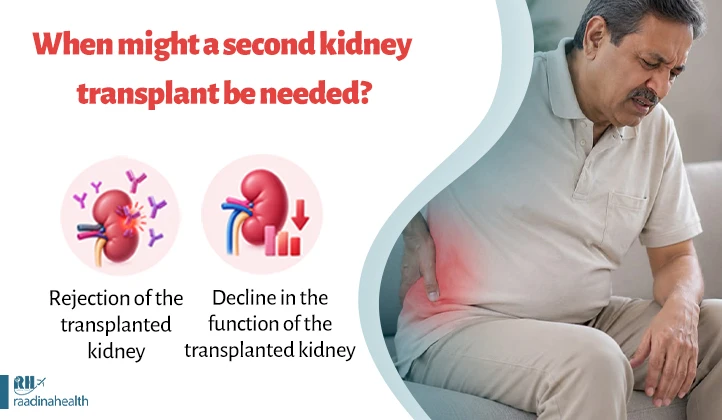
As mentioned earlier, sometimes the body rejects the new kidney, even a decade after the surgery. When it happens, the kidney won’t filter the blood and remove toxins from the body. What happens is that the body falsely detects the transplanted kidney as a foreign object, and the immune system attacks it to get it out of the system. Rejection can happen at any time, from a few hours after surgery to many years later. That’s why the doctors ask the recipients to follow their instructions carefully and take immunosuppressants (anti-rejection medications) for the rest of their lives. By doing so, the risk of rejection and the need for a second transplant are greatly reduced.
Second Kidney Transplant Requirements
The requirements for the first and second kidney transplants are almost the same. However, in the second transplant, the doctors order more detailed and precise tests to reduce the risk of failure for the second time. One of the first things they check is whether the donor and recipient’s blood types match for a kidney transplant, since an incompatible match raises the risk of rejection.
- The recipient should take multiple tests to make sure that their heart, blood vessels, lungs, and internal organs are completely healthy. This helps doctors make sure the body can handle the surgery and the post-op medications.
- Serious conditions, such as heart or brain diseases and active stomach or intestinal ulcers, can be disqualifiers. Any severe medical condition must be treated before surgery.
- The patient shouldn’t have infections before the transplant. Even a mild infection, such as a common cold, must be treated before surgery.
- The patient shouldn’t have an active cancer or undergo chemotherapy at that moment.
- The patient must be mentally and emotionally prepared for the surgery.
- The recipient should be willing to follow postoperative care and diet, and take prescribed medications.
First vs Second Kidney Transplant
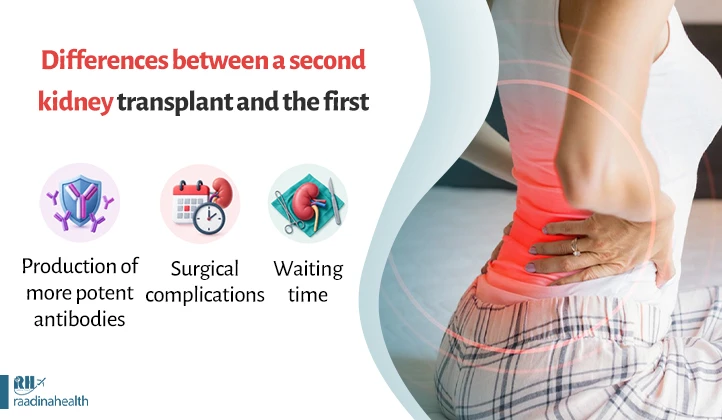
Compared to the first transplant, a second kidney transplant is more challenging and complex. These challenges, especially the immunological ones, can affect the surgical process and success rate. Here are 4 differences between a second transplant and the first one:
1. The Body Produces More Antibodies
Sometimes, after the first kidney transplant, the immune system recognizes the new kidney as a foreign object and produces antibodies to attack it. These antibodies are the main cause of kidney rejection. Unfortunately, the immune system stores these antibodies for similar situations that might happen in the future.
So, when the second kidney is transplanted, the antibodies are present in the blood and attack it immediately. That’s why the risk of rejection in the second transplant is much higher than in the first one. To prevent such problems, the doctors order extra immune system testing and expect detailed results.
2. The Surgery Is More Challenging
Obviously, the second surgery is more challenging and probably has more side effects. After the first transplant, the operated parts become vulnerable and might develop scar tissue and adhesions. Also, it takes more time for the wounds to heal, even if the surgery is done laparoscopically.
3. The Patient Should Wait a Longer Time
Due to the immunological challenges and other limitations, the patient must wait a longer time to find a matching donor.
The Second Transplanted Kidney Has a Shorter Lifespan
Based on what was explained above, the success rate of a second kidney transplant is about %10 to %15 lower than that of the first transplant. In other words, the success rate of kidney retransplantation is no more than %80 to %85 and its lifespan is a bit shorter. However, factors such as the quality and compatibility of the new donor kidney, as well as taking antibiotics and corticosteroid medications, can make the transplanted kidney live longer.
Is a Second Kidney Transplant Better than Dialysis?
If the transplanted kidney is rejected, the patient must either undergo dialysis or a second surgery. When comparing kidney transplant vs dialysis, doctors in most cases recommend retransplantation. The second kidney transplant has the following advantages compared to dialysis:
- Patients receiving a second kidney have longer lives
- They are healthier and have higher energy levels.
- They require fewer hospital visits.
- They face fewer complications compared to when they were on dialysis.
- They can have a more flexible diet.
- Their anemia is better controlled.
- They have stronger and denser bones.

Kidney Retransplantation Recovery and Post-op Tips
If you want to have a successful kidney retransplant, you must follow your doctor’s instructions carefully. In the following, we have gathered the most important post-op tips for those undergoing a second kidney transplant.
Take medication exactly as instructed
The most important tip is to take immunosuppressant medications exactly as prescribed. Although their dosage is gradually reduced, you must take them for life.
Have a healthy lifestyle
After the second surgery, you should pay extra attention to your lifestyle. Salt, high-fat foods, processed foods, and high-calorie meals should be removed from your plate. Instead, add high-fiber and plenty of fluids to your diet to help your new kidney work better.
Moreover, you should keep your BMI at a normal range by eating healthy and exercising regularly. Also, check your blood pressure and blood sugar levels every day and keep them under control.
Visit your doctor regularly
After surgery, you should visit your nephrologist every 3 to 6 months. This helps the doctor detect the rejection signs (like high creatinine levels) early and prevent kidney failure.
Protect your body from infection and sun exposure
Since the immunosuppressants weaken your immune system, the infections can spread to your bloodstream very fast. That’s why you should wash your hands frequently and avoid contact with people who have contagious diseases. Also, the skin becomes more sensitive to sunlight after a kidney transplant, so you should limit sun exposure and use sunscreen daily, even when you are at home.
Avoid strenuous activities
Recovery after a kidney transplant usually takes six to eight weeks. During this time, you should avoid lifting heavy objects, bending, sleeping on your stomach, and doing intense physical activities.

A Quick Review
In 50% of cases, the body rejects the transplanted kidney even years after the operation. That’s when the patient gets a new kidney through a laparoscopic surgery. The second kidney transplant is a complex operation, has many limitations, and its success rate is relatively lower than the first surgery. However, if the patient follows a balanced diet, takes their medication regularly, and has a healthy lifestyle, they can increase the new kidney’s lifespan. Since retransplantation needs an experienced team, many patients from abroad look into a kidney transplant in Iran, where transplant centers have decades of experience with complex and repeat cases, at costs far lower than in many other countries.
Get a free consultation, precise treatment planning, dedicated support, and a personalized medical travel roadmap. Contact the experts at Iran health agency today.
Contact us for a free initial consultation about kidney transplant
 WhatsApp
 Telegram
 Facebook
 Email
FAQs
I had a kidney transplant. Will I need a second one?
Probably yes. There is always a chance of kidney rejection. Of course, the medication you take and your lifestyle can minimize the risk.
Is a second kidney transplant better than dialysis?
Yes, most doctors suggest undergoing a second kidney transplant rather than dialysis. People who receive a new kidney generally live longer than those on dialysis, and their quality of life is much better. Also, they can have a more flexible diet, more physical activities, and fewer visits to the hospital or doctor.

No reviews
Your comment