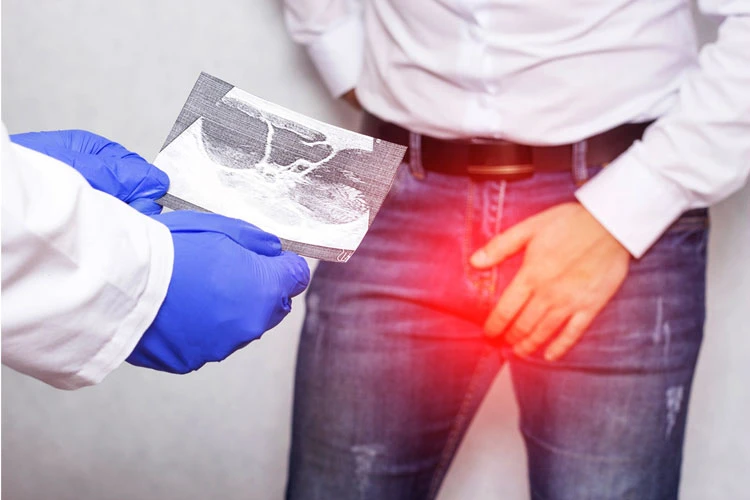
Varicocelectomy benefits men who have low testosterone levels, fertility problems, and pain in their testicles. In this operation, the surgeon removes or blocks the enlarged vein and improves blood flow in the scrotum. Depending on the varicocele grade and the patient's symptoms, the urologist may choose laparoscopic surgery, embolization, open surgery, microsurgery, or other surgical methods to remove the damaged vein.


You can control the growth of ovarian cysts by taking birth control pills, getting laparoscopy or laparotomy surgery, and using home remedies such as chamomile tea, ginger tea, apple cider, warm compress, etc. Also, avoiding canned foods and fatty dishes helps you eliminate ovarian cysts faster.
Ovarian follicles secrete anti-müllerian hormone during the childbearing age. An AMH test, therefore, is used to estimate the number of remaining eggs in the ovaries. The AMH test normal range for women under 35 is typically 1.5 to 4 ng/mL. The lower the level of this hormone in the blood, the lower her chance of natural pregnancy.
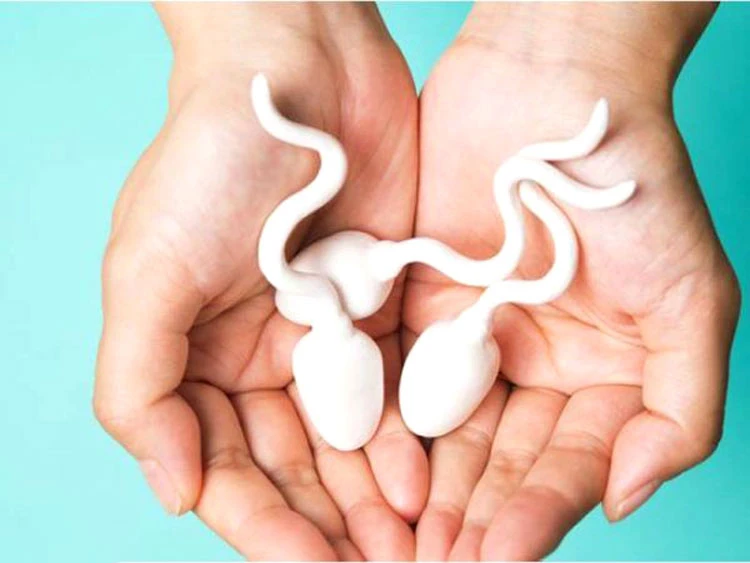
Low sperm motility might occur due to genetics, damage to testicles, unhealthy habits, infection of the reproductive system, etc. This problem lowers the chance of natural conceiving as the sperm cannot reach the female reproductive tract and the egg. The treatment for low sperm motility depends on its cause, but improving lifestyle and treating underlying health issues can improve sperm quality or quantity.
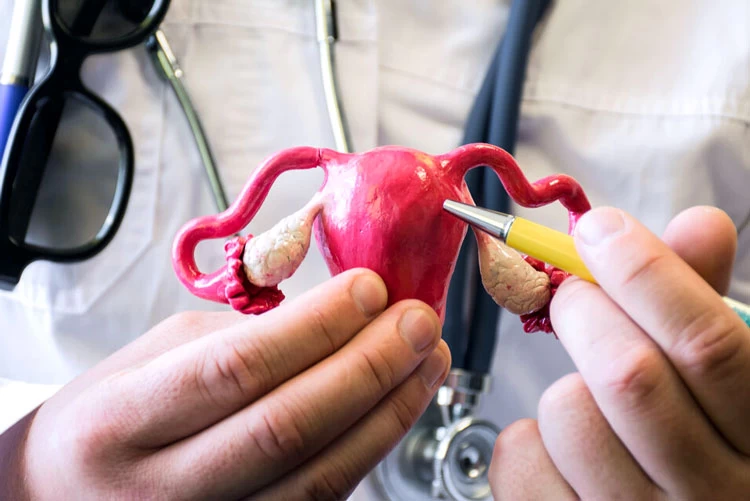
The fallopian tubes may be blocked due to endometriosis, STI, ruptured appendixes, pelvic inflammatory diseases, etc. Sometimes, a blocked fallopian tube has no sign, but in most cases, it is accompanied by pain, abnormal discharges, infertility, pelvic pain, and prolonged spotting or bleeding.
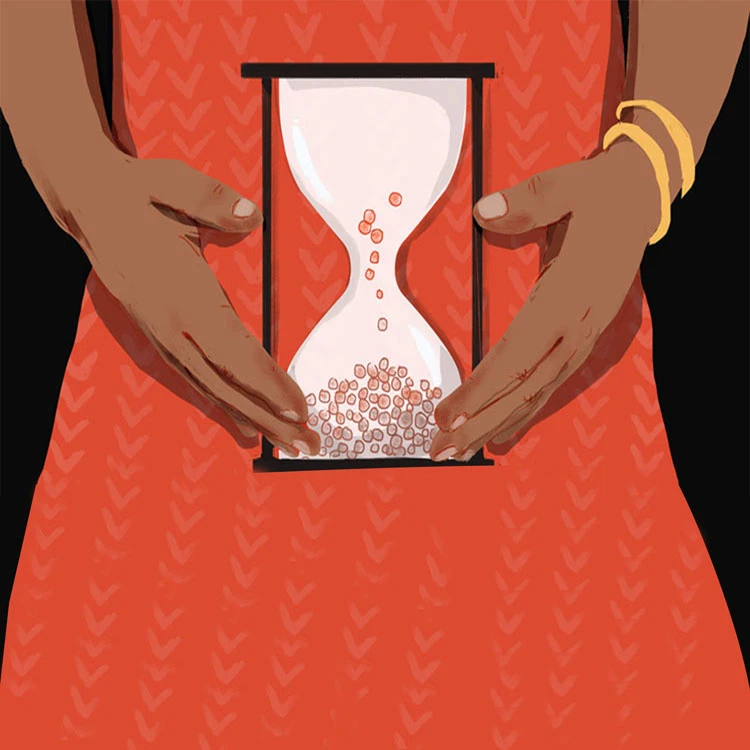
Not all women with diminished ovarian reserve (DOR) are infertile; in fact, they can have children of their own using assisted reproductive technologies like IVF and ICSI. Although their chance of conceiving in IVF is lower than others, they can still get pregnant if the quality of their remaining eggs is acceptable and their uterus is healthy enough to hold the fetus.
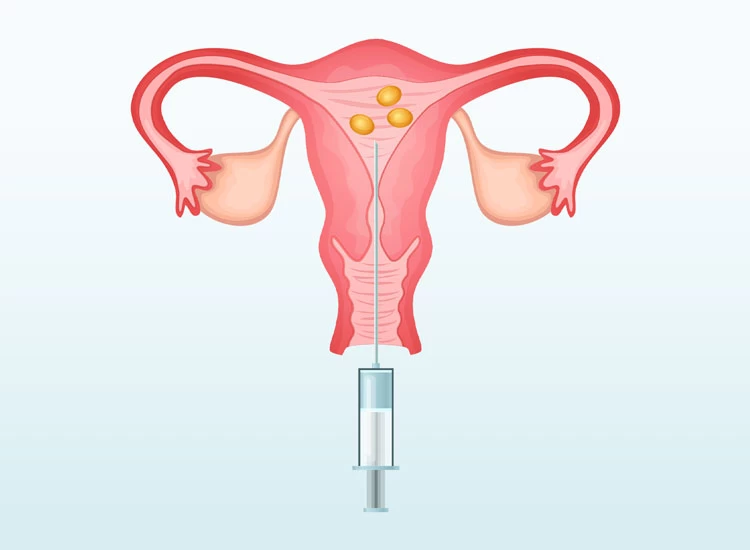
The most definite way to confirm pregnancy after embryo transfer is by taking a blood test, but you can be sure that your treatment has worked if you have spotting, breast tenderness, mild cramps, nausea, frequent urination, and constant tiredness from 7 to 10 days after the procedure.

Foods rich in protein, folate, and different vitamins play an important role in hormone production and the quality of sex cells. On the other hand, processed and canned food, dishes containing mercury, alcohol caffeinated beverages, etc., affect the fetus's development and lower the chance of natural childbirth.
Grade 3 varicocele is the most severe type of this disease, which is associated with constant pain in the scrotum, testicular atrophy, and infertility. Although grade 3 varicocele is not life-threatening, it may cause blood clotting and damage to internal organs, so it should be treated through open surgery, laparoscopy, or subcutaneous embolization.

To treat endometriosis and eliminate its symptoms like abdominal pain, digestive problems, and infertility, you should change your lifestyle, take hormonal and pain medications, and get surgical treatments, including laparoscopy, laparotomy, and hysterectomy.