
How Gender Selection with IVF Works: A Guide for Parents
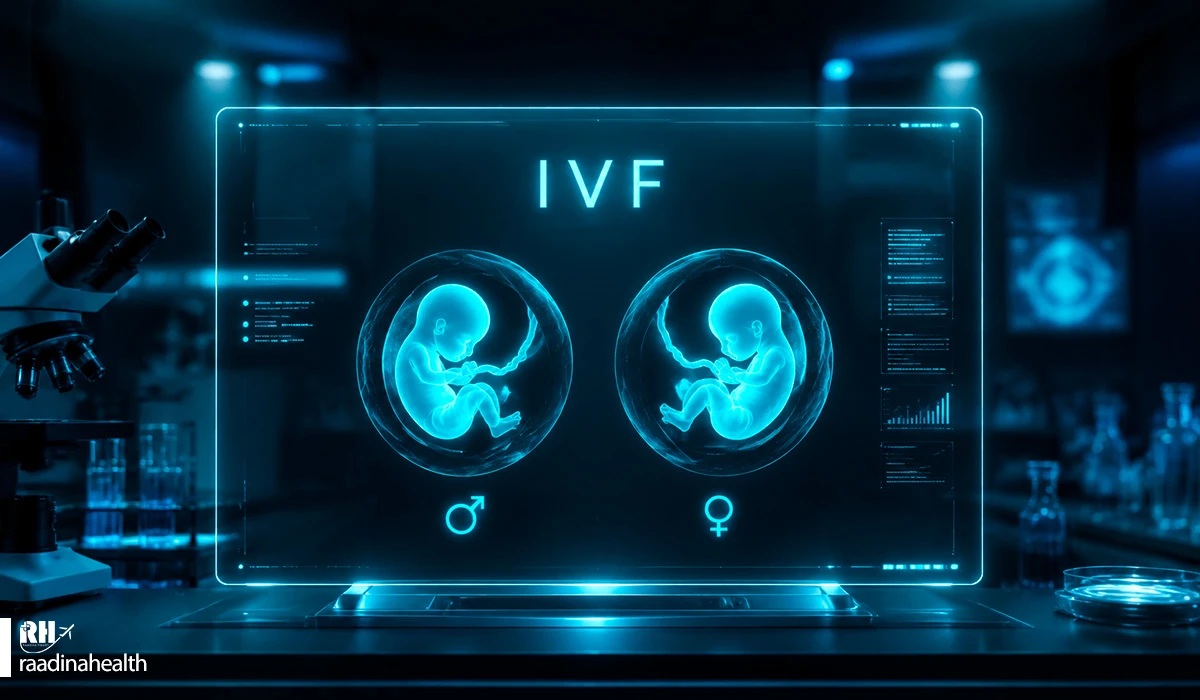
Embryo gender selection
One of the most common questions from couples who use assisted reproductive techniques such as IVF to have children is about embryo gender selection. With IVF, gender selection is done using sophisticated preimplantation genetic testing methods, PGT-A (Preimplantation Genetic Testing for Aneuploidy) and PGD (Preimplantation Genetic Diagnosis). The approach consists of fertilizing the egg and sperm in vitro, creating an embryo, and then taking a biopsy of a handful of cells from the outer layer of the embryo (at the blastocyst stage, on day five or six). Analysis of the X and Y sex chromosomes, and of the remaining chromosomes, is performed with an accuracy close to 99%. Only healthy embryos of the desired gender are then transferred to the mother's womb.
In the remainder of this article, we will explain the full steps of this process from ovarian stimulation to embryo transfer, the differences in PGT tests, costs, and the required conditions for success in a step-by-step, scientific, but understandable language. Raadina Health Medical Tourism Company can provide you with specialized consultation and coordination with centers having reputed genetic laboratories.
Can You Choose the Sex of Your Baby with IVF?
Yes. Gender selection with IVF is currently considered one of the most accurate methods in the world. This involves taking a few cells after the embryo has formed and testing them for genetic abnormalities. This is done by observing the chromosomes of the embryo, and seeing if it has XX (female) or XY (male) chromosomes.
This process also checks for other genetic diseases and problems to ensure the health of the embryo. As a result, after determining and selecting the embryo's gender and ensuring its health, the chosen embryo is transferred to the mother's uterus. The success rate of gender selection with IVF in reputable clinics around the world is over 99%.
Who Can Benefit from Gender Selection IVF?
Among couples of different physical, psychological, and financial states, some are ideal candidates for gender selection through IVF:
- Couples with significant fertility problems.
- Couples with a history of sex-linked genetic disorders.
- Couples who want to have a child of a certain sex, either a boy or a girl.
- Those who have enough money to pay for the treatment.
- People needing PGT-M for medical reasons.
- Women with uterine problems or blocked fallopian tubes.
- Couples of advanced maternal/paternal age.
- Couples with recurrent pregnancy loss.
/51_1784099475_large.webp "Who Can Benefit from Gender Selection IVF?")
Successful Ways of Gender Selection Prior to IVF
For the treatment process to go as optimally as possible, it is best to take effective measures before you start treatment to increase your chances of success. These measures are as follows:
- Losing weight if you are overweight.
- Quitting smoking, alcohol, and recreational drugs.
- Addressing underlying medical conditions.
- Specialist doctor consultation.
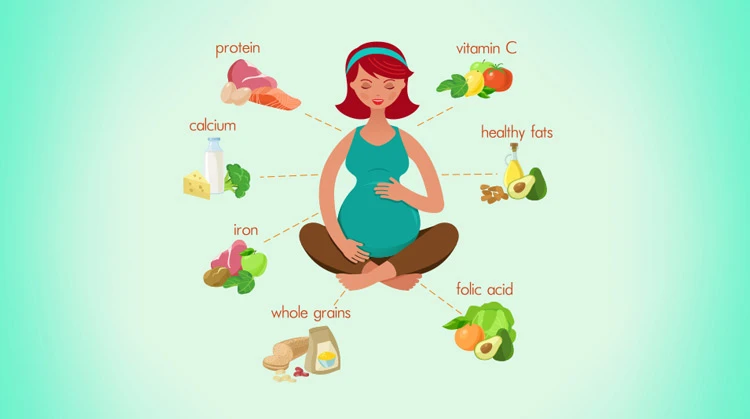
- Taking folic acid under the supervision of a specialist.
- Adjusting to a proper diet and taking supplements correctly.
- Lifestyle changes like getting enough sleep, daily walks, meditating, etc.
- Testing ovarian reserve and taking ovarian-boosting medications as prescribed by a doctor.
- Semen analysis to check the quality of sperm in terms of morphology, motility, and count.
- Genetic Counseling.
- Selecting a good and specialized treatment center.
Process of Gender Selection During IVF
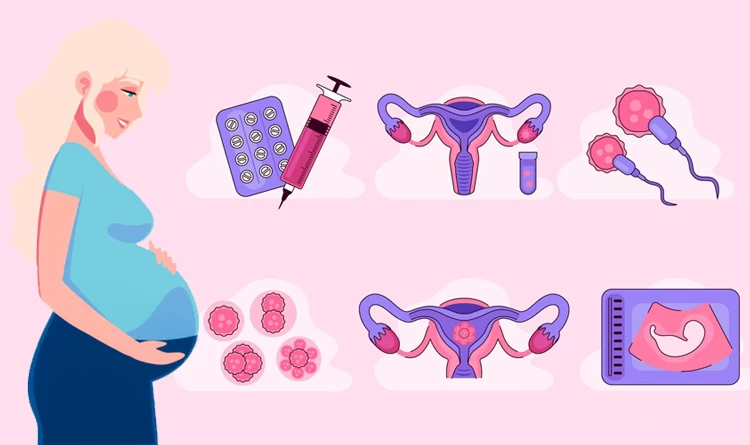
The determination of embryo gender during IVF is a multi-stage process that must be done in a sequential way and with high precision, according to information published by the specialized American Society for Reproductive Medicine (ASRM).
Stage 1: Stimulation of the ovaries
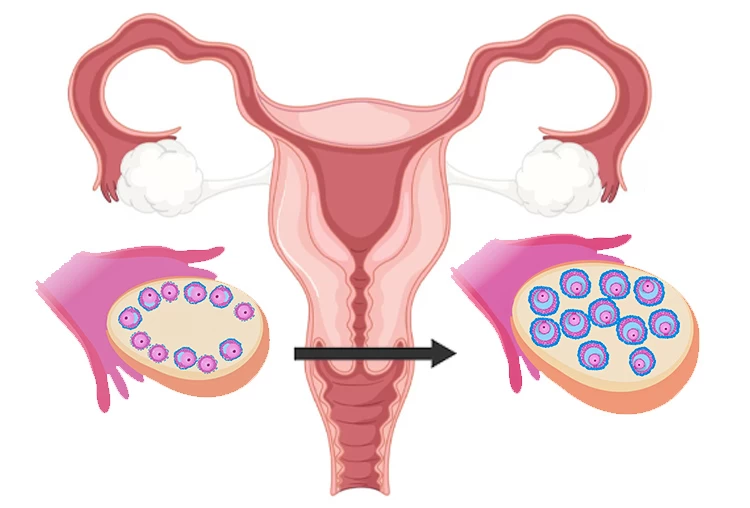
Before treatment starts, the doctor gives the woman some hormone medicines to make her body release a few eggs in a cycle instead of just one. The goal here is to up the embryogenesis numbers. Close monitoring of follicular development is performed by ultrasound and blood tests during this phase.
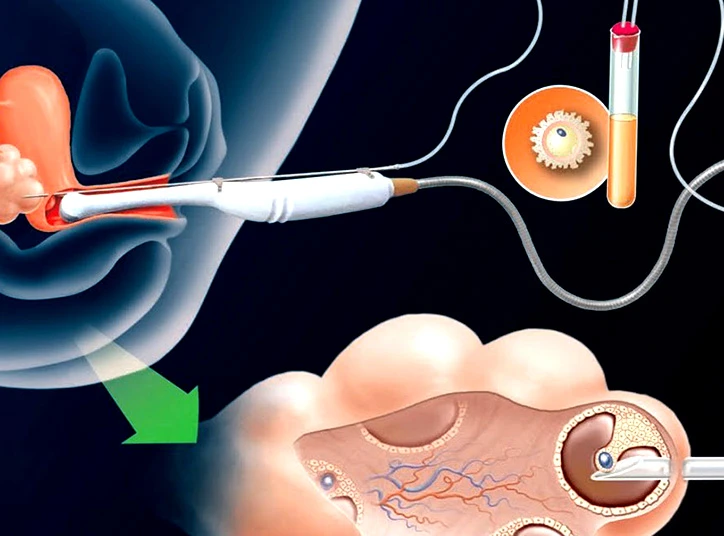
Stage 2: Egg retrieval
When the follicles have reached the right size, the woman’s eggs are extracted from her ovaries using a specialized needle in an outpatient procedure. This is done under light anesthesia and takes about 15 to 20 minutes to complete.
Stage 3: Sperm Preparation and Analysis
On the day of the egg retrieval, a sperm sample is collected from the father and analyzed for quality (count, motility, and morphology). The best sperm are chosen for fertilization.
Stage 4: In Vitro Fertilization and Embryo Growth
The egg and sperm are prepared, and then fertilization is done in the lab. The fertilized eggs are kept under the best conditions for the cells to divide.
Stage 5: The Genetic Biopsy at Blastocyst Stage
In the laboratory, the embryos are grown for about 5 to 6 days until they reach the blastocyst stage. This timeframe permits a high precision in the genetic testing of the embryo. At this stage, some cells are taken away from the outside of the embryo.
Stage 6: Genetic Health Testing and Sex Selection
At this stage, tests like PGT-A or PGT-M are used to examine the gender and genetic health of the embryo.
Stage 7: Choosing an Embryo of the Right Sex
Following the required assessments, the doctor selects an embryo from formed batch that is genetically healthy and of the preferred gender for transfer into the woman’s body.
Stage 8: Embryo Transfer to Uterus
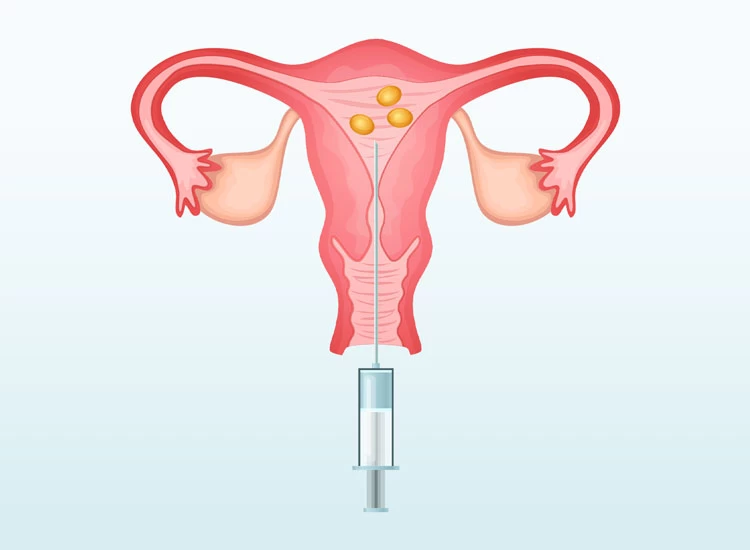
In the final stage, the embryo is transferred into the uterus using a very fine catheter. The procedure is typically painless and does not require anesthesia. In general, supportive medications are given to women for 10 to 14 days after this final step.
“I only felt a slight sting like an injection during the embryo transfer stage and not much pain,” said a 34-year-old client, Hosna.
/52_1784099568_large.webp "Process of Gender Selection During IVF")
Gender Selection and Embryo Selection (PGT-A/PGT-M/PGD)
In IVF, the gender of the embryo is screened via several methods before implantation. According to the reputable site IVFFINDER, these are the most accurate gender selection methods in the world today.
PGT-A Technique
The most common and important method for determining the sex of the embryo is PGT-A. This method involves the examination of the structure and number of the chromosomes of the embryo to detect any genetic problems and also to select an embryo of the desired sex. In this way, embryos with chromosomal abnormalities are excluded from the transfer cycle.
PGT-M Approach
This method is used when one of the partners carries a single gene disorder. This technique prevents the transmission of the genetic disease to the embryo and allows the selection of an embryo of the desired gender. This is a more specific method than PGT-A and requires a more detailed genetic analysis of the family.
PGD Technique
This is the older term that historically was used in IVF. In the past, this method was used mainly to diagnose genetic diseases, but today it can also be used to determine the gender of the fetus.
/1_1784455795_small.webp "روش pgd؛ راه تعیین جنسیت با آی وی اف (IVF)")
IVF Gender Selection Success Rate
The accuracy and the probability to determine the exact gender is over 99%. Of course, the success rate of gender selection depends on the expertise and experience of the clinic of treatment. Please note that the accuracy of gender selection is not the same as the success rate of pregnancy. There are many factors that influence the success of pregnancy, including the age of the mother. Between 30% and 60% of cycles will lead to a successful pregnancy.
Factors Influencing IVF Gender Selection Success
The success of embryo gender selection with IVF depends on a number of factors. These are:
- Age of the mother: The success rate is lower in older women.
- Quality of egg and sperm.
- Number of embryos generated: The more embryos you create, the greater the likelihood of finding a healthy embryo of the desired gender.
- Laboratory quality and technology: The laboratory equipment should be modern and advanced.
- Maternal Uterine Health: The woman’s uterus should be healthy, receptive to the embryo, and able to support it.
- Expertise and experience of the specialist doctor: The more expertise and experience the doctor has, the better chances of success overall.
/58_1784099738_large.webp "Factors Influencing IVF Gender Selection Success")
Advantages and Disadvantages of Gender Selection Through IVF
The use of the IVF gender selection method has both advantages and disadvantages for the couples. Therefore, couples should know both before they begin the treatment.
Pros
- Best gender selection accuracy available today.
- Ability to assess the genetic health of the embryo.
- Possibility of choosing a healthier and higher-quality embryo.
- Lower risk of miscarriage caused by chromosomal abnormalities.
- A treatment process that is painless.
Cons
- Relatively expensive compared to other methods.
- The necessity to take hormonal medication.
- The possibility of requiring more than one course of treatment.
- Psychological and emotional strain.
- Legal restrictions in certain countries.
Cost of Gender Selection with IVF
The approximate cost of gender selection with IVF in Iran is currently between $1,500-$3,500. The cost is very economical and far less than the cost of gender selection with IVF in other countries. The cost of gender selection via IVF depends on the country and city of destination, the medications used, the method of gender selection, number of treatment cycles, the doctor's expertise and experience, and other variables.
Mini IVF vs Conventional IVF: What’s the Difference?
Both Mini IVF and Conventional IVF are used for gender selection and screening for genetic diseases. The differences are mainly in the medication dosage, intensity of ovarian stimulation and the number of eggs retrieved. The age, physical condition and treatment goals of the mother decide between the two methods.
In Conventional IVF, the ovaries are stimulated more aggressively with stronger hormonal medications resulting in a higher number of eggs in one cycle. In contrast, Mini IVF employs reduced doses, leading to less ovarian stimulation. Mini IVF is less expensive but has a lower success rate than conventional IVF.
/60_1784099766_large.webp "Mini IVF vs Conventional IVF: What’s the Difference?")
Can You Select Gender and Get Twins with IVF?
Yes. In the IVF method, two embryos can be implanted in the mother’s uterus instead of one. In this case the probability of a twin pregnancy increases greatly. But this too has a risk of multiple pregnancies and many centers prefer single embryo transfer.
Is IVF for Gender Selection Covered by Insurance?
How you answer this question depends on the type of insurance you have, the rules of that insurance and the country you are traveling to. In many countries, gender selection by way of IVF will be out-of-pocket, but some insurance companies will cover the cost of IVF when done solely for infertility treatment. In Iran too, there are different rules for different insurance companies. You should ask your insurance company about the terms and conditions of your insurance.
The Cost of IVF Gender Selection vs. Similar Methods
Gender selection with IVF is usually more expensive than other methods such as IUI. The price is high due to several reasons such as complex treatment process, advanced laboratory equipment, and the possibility of genetic screening and gender selection with a precision of more than 99 %.
The fees of the IVF method include ovarian stimulation, egg retrieval procedure, genetic testing, embryo transfer process, embryo freezing and storage, doctor visits, ultrasounds and other stages of treatment.
Difference Between IVF and IUI in Gender Selection
Currently the two main medical options for gender selection are IUI and IVF. Before making a choice, you should familiarize yourself with the fundamental differences between these two methods. The table below will help you compare two methods.
IVF | IUI | Feature |
Yes | No | Gender Selection Before Pregnancy |
Over 99% | Up to 70% | Gender Selection Accuracy |
Yes | No | Requires Genetic Testing |
High | Low | Cost |
Yes | No | Possibility of Definitive Gender Selection |
Yes | No | Embryo Health Screening |
Yes | Limited | Suitable for Genetic Diseases |
Is Gender Selection with IVF Legal?
It depends on the country. Some countries allow gender selection by IVF only for medical reasons. For example, it can be used when there is a chance of transmission of a genetic disease of a particular sex. There are looser regulations on this treatment method in other countries including Iran.
/59_1784099822_large.webp "Is Gender Selection with IVF Legal?")
Medical Regulations and Restrictions for IVF Sex Selection
The medical regulations related to gender selection via IVF are very significant and you must be aware of them before you proceed. For example, in many European countries such as the UK, large parts of Asia and Canada it is absolutely prohibited to choose gender for non-medical reasons. In those countries, the technique may be applied only in special cases to avoid the transmission of sex-linked genetic diseases such as hemophilia.
From the perspective of medical regulation, even in countries where it is permitted, the doctor has the duty to inform in detail the couple of all the stages, the psychological implications and the necessary costs before the treatment begins.
Is IVF the Only Way to Guarantee Gender Selection?
At present, no other method is available that provides the accuracy of IVF with PGT (Preimplantation Genetic Testing). In this method the sex of the embryo is determined before conception and the probability for a successful pregnancy with a desired sex is over 99%. Methods such as diet, ovulation timing or IUI are by no means definitive and only statistically increase the chances of conceiving the desired gender.
/taeen_jensiat_1_1787198668_small.webp "حکم شرعی تعیین جنسیت جنین در اسلام")
Free Specialized Consultation on IVF Gender Selection
You will need specialized consultation to navigate your treatment path and the IVF gender selection in the best possible way. In these consultation sessions, the age of the mother, ovarian reserve, quality of the sperm, history of pregnancy and chances of a successful pregnancy will be evaluated.
Additionally, you’ll be referred to specialized doctors and professional clinics in this field from A to Z as well. Raadina is one of the specialized centers where you will get a free expert consultation and start your treatment journey with peace of mind.
Conclusion
IVF sex selection is one of the most reliable methods available. This method uses genetic testing such as PGT to select a preferred gender embryo and also test for genetic diseases. This method is more expensive compared to other gender selection methods but the accuracy is much better, almost 100%.
Get a free consultation, precise treatment planning, dedicated support, and a personalized medical travel roadmap for gender selection in Iran. Contact the experts at Raadina medical tourism company today.
Contact us for a free initial consultation about gender selection
 WhatsApp
 Telegram
 Facebook
 Email
Email
Frequently Asked Questions
Is gender selection with IVF 100% accurate?
At this time, there is no medical way to guarantee 100% for the patient. But when you have IVF done at a reputable clinic the success rate is over 99%, almost 100%.
Is gender selection with IVF safe?
If you undergo the treatment process in reputable centers under the supervision of a specialist doctor, it is a safe method and there is no significant risk for the mother or the fetus.
It is possible to choose the sex without IVF?
There are things like IUI, some diets or timing of sex. These methods, however, do not give any guarantees and only slightly increase the probability of conceiving the desired gender.
What are the risks of IVF gender selection to the mother or fetus?
There are no serious risks to the mother or fetus with this treatment. The most common risks are side effects from hormonal medications, Ovarian Hyperstimulation Syndrome (OHSS), and the chance of a multiple pregnancy.
How effective is gender selection in IVF?
The diagnostic accuracy and gender selection of the IVF method are over 99%, but the success of the pregnancy itself depends on the age and physical condition of the mother.
How much does it cost to select a boy by IVF?
The cost of gender selection is exactly the same for a girl or a boy.
How many times can you do IVF for gender selection?
There is no particular limitation on the number of attempts, but it is based on the medical and physical condition of the patient and the recommendation of the medical team.
How many days to find out the gender of the embryo?
Typically, after the embryo has been biopsied and genetic testing has been completed, it can take anywhere from six days to two weeks to identify the sex, screen for genetic problems, and transfer the embryo.

















No reviews
Your comment