
IVF Step by Step: A Complete Guide from Day 1 to Pregnancy Test
Fertility Treatment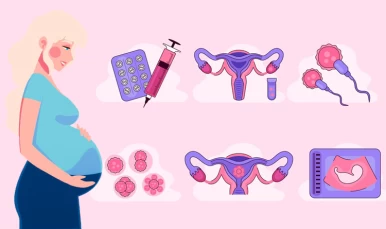
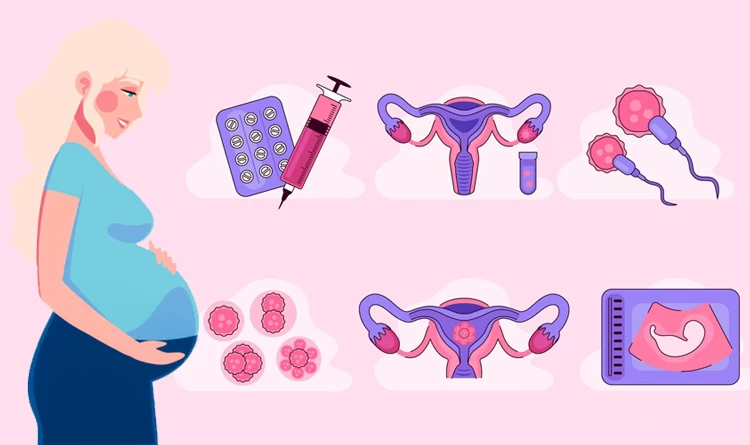
A complete IVF cycle takes about 3-4 weeks and consists of 6 main steps: baseline tests and ultrasounds, ovarian stimulation with hormonal injections (10-14 days), the trigger shot injection, the egg retrieval procedure (puncture) under light anesthesia, fertilization in the laboratory and embryo culturing (3-5 days), and finally, embryo transfer into the uterus, which is a simple and painless procedure. Then begins a wait of two weeks. The result will be known with a blood test (Beta hCG). In the rest of this medical guide, we will go over each step in detail—what you will feel each day and what you will have to do—so that you can walk this path with absolute peace of mind. You can rely on Raadina Health Medical Tourism company to help you coordinate all these stages from A to Z in the best-equipped infertility centers.
Documents Needed for IVF
We need legal ID documents such as birth certificates, national ID cards, and a valid marriage certificate to start the IVF treatment. We also need up-to-date medical records of the husband and wife.
Providing the results of the woman’s recent hormonal tests, the man’s semen analysis, ultrasounds, and the history of any surgeries or underlying diseases is absolutely essential and unavoidable according to the standard protocols of infertility treatment centers, so as to develop a precise, safe, and personalized treatment protocol for each couple.
The clinical IVF process starts with the onset of the menstrual cycle. A blood test and transvaginal ultrasound are performed on the second day of menstruation. Please keep in mind that the ultrasound is to see how big the follicles are and to look for cysts. The blood test is to check the levels of estrogen and estradiol in the blood.
/Required-documents-for-IVFen_1789551734_large.webp "Required documents for IVF")
Ultrasound Evaluation of Ovaries
An ultrasound is done to determine the state of the ovaries and the number of possible follicles available for pregnancy before beginning the active stages of IVF. In addition, the doctor can assess the blood supply to the ovaries to determine the readiness of the uterus for implantation and fertility. In fact, this ultrasound, together with hormonal assessments and other tests, has to be done within the 4 weeks prior to starting IVF treatment. This is before the actual IVF protocol can start. This step is very crucial for a successful IVF procedure.
Again, an ultrasound is performed on day 5 of the menstrual cycle. This scan allows the doctor to track the growth of follicles and the thickness of the endometrium (uterine lining). The growth of the follicle signals that it is ready to ovulate and produce estrogen. Two blood tests are also done at this time to check estrogen levels.
How Many Stages Are There in IVF?
Like most fertility treatment, IVF requires a series of monitored stages before the active phase begins the initial ultrasounds, hormone assessments, and necessary tests. IVF in Iran is carried out through the following main stages:
- Ovarian Stimulation
- Egg Retrieval (Puncture)
- Sperm Sample Collection
- Egg Fertilization
- Embryo Transplantation
- Pregnancy Test
Step 1: Ovarian Stimulation
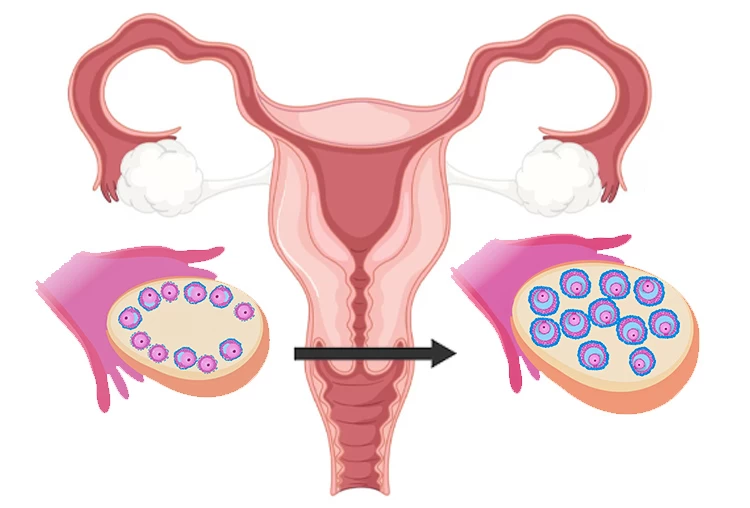
The first step of IVF is the person being given fertility drugs that cause ovarian stimulation. Usually, the medicines are injections, and the person needs 1 to 4 injections a day (for 7 to 10 days). These drugs stimulate the growth of the ovaries and the oocytes (immature eggs).
Fertility drugs are given to stimulate the ovaries, and it takes up to two weeks to produce a large number of mature, fertilizable eggs. The person will therefore have regular transvaginal ultrasounds and blood tests to monitor the status of the ovaries and blood hormone levels.
At the peak of this stage, the last stage of egg maturation begins with the injection of the hCG hormone (the Trigger Shot). It is important to know that taking this drug too early or too late leads to immature or over-mature eggs. Therefore, the hCG shot should be administered when approximately 4 follicles of 18 to 20 millimeters are visualized, and the estrogen level exceeds 2000 pg/ml.
Then, the doctor will follow the medical treatment with transvaginal ultrasounds, especially between the 8th and 10th day of injections. Finally, 34 to 36 hours before the retrieval, the patient is given the final hormonal injection in preparation for the puncture procedure (extracting eggs from the ovaries).
Stage Two: Egg Retrieval (Puncture)
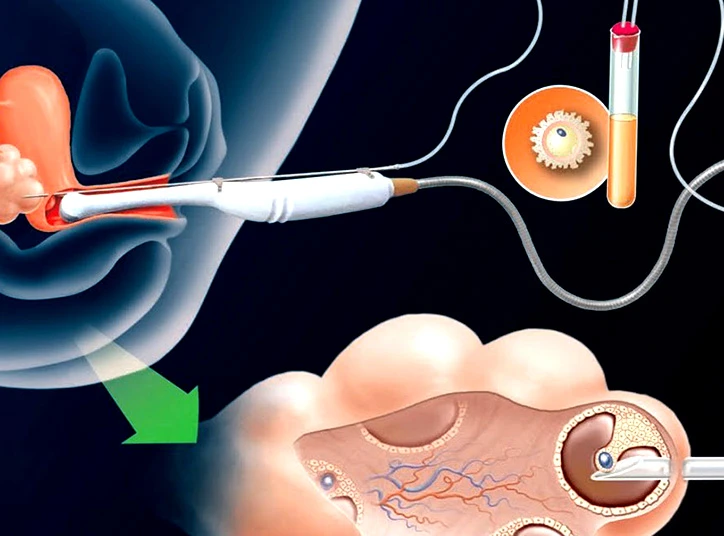
Egg retrieval (puncture) is usually performed 34 to 36 hours after the hCG injection. The person will be given light, short-term anesthesia for this procedure. Usually, the doctor will take out 8-15 oocytes, and these are sent to the embryology lab where they are fertilized with the husband's sperm. It should be pointed out that egg removal is performed by inserting a hollow needle through the vaginal wall to reach the ovaries, under ultrasound guidance. The whole clinical visit usually takes half a day.
Following the puncture to retrieve the woman's eggs and the collection of the man's semen sample, the embryologist selects the strongest and highest quality sperm to fertilize the eggs. These two sex cells are then put into the culture medium to fertilize. Usually, 3 to 5 days after the embryo is formed, it can be transferred into the mother’s uterus through a catheter that is placed through the vagina.
A Day 5 or Day 6 embryo, a blastocyst, can also be transferred into the uterus. Once successful, the embryo transfer process results in implantation. If for any reason the embryos cannot be transferred through the vagina, a laparoscopic embryo transfer method (called the ZIFT technique) may be used. In such cases, it is highly recommended to rest and avoid exhaustion for 3 to 4 days after the operation and also avoid stress and anxiety.
A few days after the egg retrieval procedure, you may experience light spotting and lower abdominal cramps. That’s perfectly normal and will settle down in a few days.
Stage Three: Sperm Sample Collection
The preparation of the sperm and the collection of a sample from the man must be timed with the retrieval of eggs from the woman. A semen sample is collected and “washed” in the lab to isolate normal, active sperm. In case the couple elects to use frozen sperm, it must be thawed and prepared for fertilization in the same manner.
Testicular biopsy (taking a sample of the testicle) and surgical sperm extraction are used to evaluate male sperm quality and also have a diagnostic purpose to find the cause of Azoospermia (zero sperm count). In a testicular biopsy, a small amount of tissue is taken from one or both testicles. If sperm are found, they can be used for diagnostic tests or directly in assisted reproductive methods such as Microinjection (ICSI).
Stage Four: Fertilization of the Egg
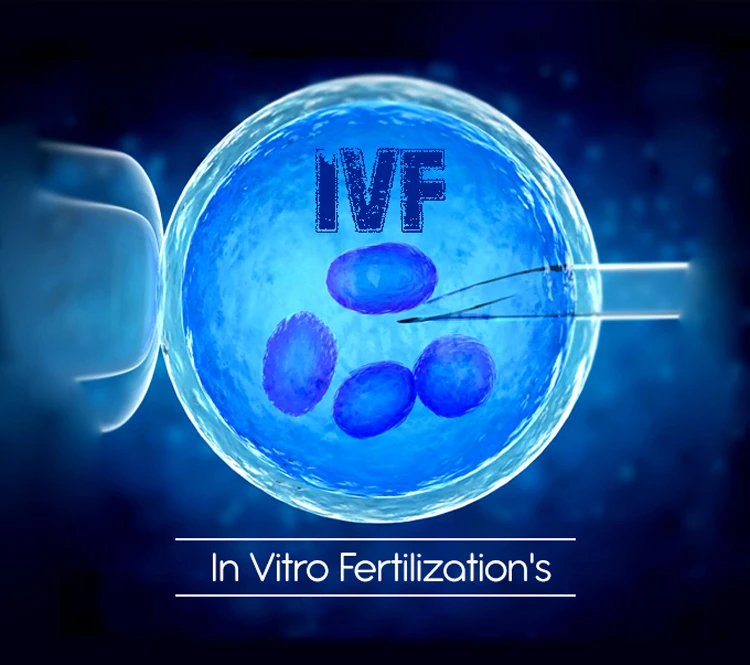
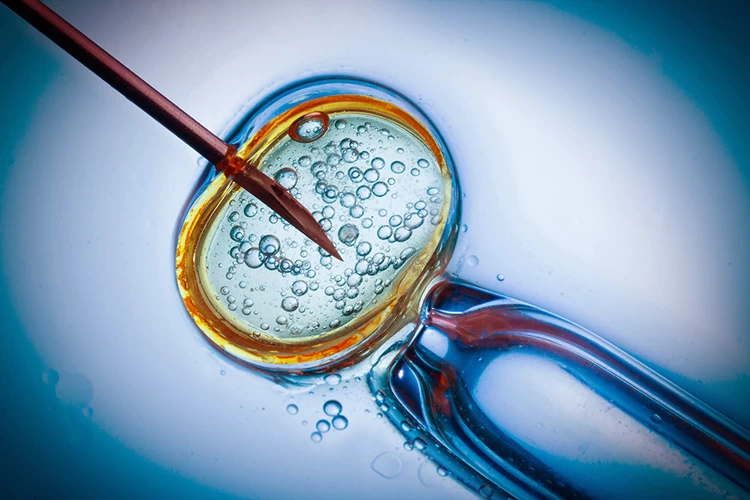
In this IVF process phase, the sperm and egg samples are placed together in the embryology lab to combine. This is called fertilization or insemination and is done in lab dishes where the egg and sperm are combined. But in many cases, if the lab technician thinks it’s needed, one sperm is directly injected into the egg (a process called ICSI).
The cells divide a few times, and then after fertilization has occurred, the embryos are carefully observed. For couples with a history of genetic conditions, the embryos are assessed for health with Preimplantation Genetic Diagnosis (PGD/PGT) 3 to 4 days after fertilization. In this test, a single cell from each embryo is removed and analyzed to determine which embryo is the healthiest and most suitable to transfer to the mother’s uterus.
One thing to note is that usually 5 days after the egg is fertilized, a certain number of cell divisions have happened, and this process is actively continuing. Thus, strict monitoring of the growth status of the embryos during this period is of critical importance.

Stage Five: Implantation of Embryos
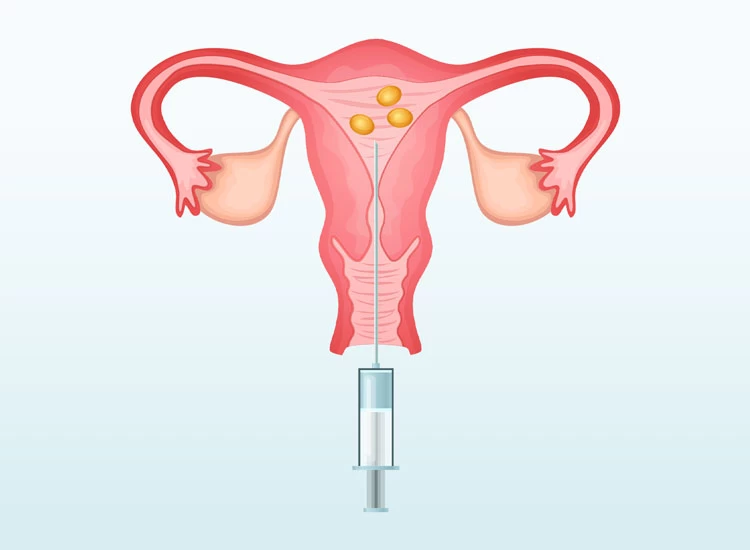
The embryo created in the fourth stage of IVF is transferred into the uterus. Embryo transfer is generally performed 2 to 5 days after eggs are collected. The procedure is completely painless, requires no anesthesia, and may be associated with mild cramping. A small, flexible tube (catheter) is inserted into the uterus, and the embryos are placed in the desired location. Usually, 1 to 2 embryos are transferred in each cycle. If the procedure is successful, implantation takes place approximately 6 to 10 days later.
After the embryo transfer, the patient will stay in the clinic for two to three hours and then may go home.
The number of embryos eligible to be transferred is generally dependent on the number of eggs collected, the quality of the embryos, and the age of the mother. Older age is associated with decreased implantation rates, which historically resulted in a need to transfer more embryos. However, placing more embryos increases the odds of multiple conceptions (twins or triplets), which can lead to a risky pregnancy.
For women under 40, the current medical standard is usually to transfer 1 to 2 embryos, while for women over 40, it is up to 3. The catheter is passed through the cervix with ultrasound guidance, and the embryos are placed in the best spot in the uterus, typically with the patient’s bladder full during the transfer.
Pregnancy Test: The Last Step of the IVF Process
A blood pregnancy test (Beta hCG) is done 12 to 14 days after the embryo transfer. The results of this test decisively establish whether the person is pregnant or not. If pregnancy occurs, the patient should be referred to an obstetrician-gynecologist for continuing prenatal care. If pregnancy does not occur, the progesterone medications will be discontinued.
The person usually will have a period within a week of stopping the drug. If there is no menstruation, a doctor should be consulted. Moreover, if the couple decides to do another round of IVF, the doctor will likely suggest some measures to improve the odds of the next try’s success.
/IVF-Stages_1789551706_large.webp "IVF stages")
How Long Does the IVF Process Take?
The whole cycle of IVF, from the start of ovarian stimulation medications to the pregnancy test, usually takes about 3 to 6 weeks.
Ovarian stimulation itself takes around 2-3 weeks, after which egg retrieval (puncture) is performed as a one-day procedure lasting 15 to 30 minutes under short-term, light anesthesia. The mother is discharged the same day, and in most cases, there is no need to stay in the hospital overnight.
The egg and sperm are then fertilized in the lab, a process that typically requires half a day. Once fertilized, you have to wait 2 to 5 days before the embryo transfer takes place. The actual embryo transfer procedure itself only takes around 10-20 minutes, is carried out without general anesthesia (using only mild sedatives or no medication at all), and the patient can walk and leave the clinic soon after.
After the transfer, there is a two-week wait before the pregnancy result is confirmed with a blood test (Beta hCG).

How Much Rest After IVF Do You Need?
Guidelines from the Cleveland Clinic say patients need only 24 to 48 hours of relative rest, meaning they should not engage in heavy activities, strenuous exercise, lifting heavy objects, or hot baths. You can safely resume light office or household work immediately following the procedure, and this can even help reduce stress and improve the patient’s mood considerably.
Today, doctors not only do not recommend strict bed rest after embryo transfer but also consider light daily activities to be more beneficial for increasing blood flow to the uterus and increasing the chances of implantation.
/Rest-after-IVFen_1789551755_large.webp "Rest after IVF")
How Many Embryos Are Transferred During IVF?
For most women, especially women under 35 with high-quality embryos, the current medical “gold standard” is the transfer of a single embryo (eSET) to avoid the serious risks associated with multiple pregnancies.
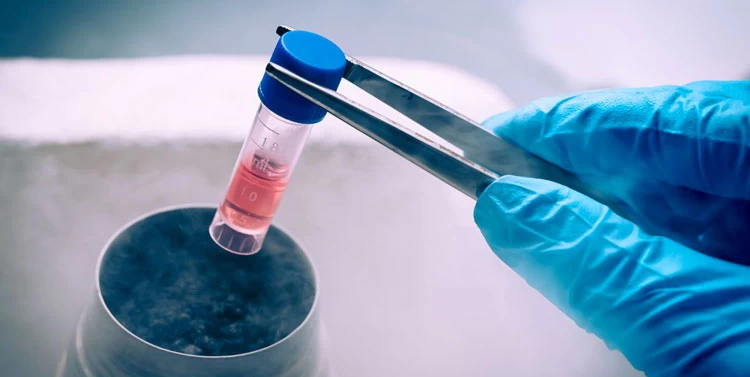
Embryo transfer used to be done 2 or 3 at a time, but now with the development of embryo freezing and Preimplantation Genetic Testing (PGT), doctors are able to transfer a single healthy, robust embryo with a high success rate, while putting the utmost emphasis on the health and safety of the mother and baby.
The First Ultrasound After IVF
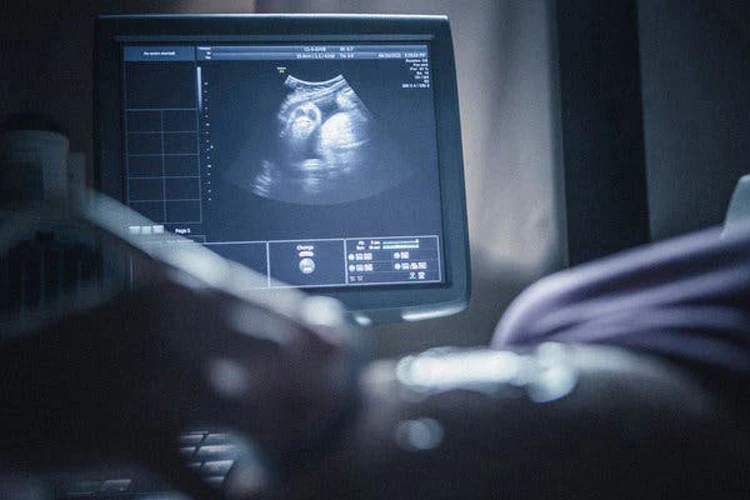
If the blood test results are positive and there are no issues of concern such as a history of recurrent miscarriage, molar or ectopic pregnancy, spotting, heavy bleeding, or abnormal pain, the first ultrasound can be done late in the 7th week or mid-8th week of pregnancy. This scan checks the gestational sac, fetus, and fetal heartbeat. An ultrasound done too early (e.g., early in the 4th week or at a Beta hCG level less than 1500) has very little chance of finding the gestational sac.
At 5 weeks of pregnancy, the gestational sac may be visible on ultrasound, but the fetus itself and its heartbeat are too early to see. An ultrasound at 6 weeks may demonstrate the fetal pole without a detectable heartbeat, although sometimes the heartbeat can be detected late in the 6th week depending on the skill of the sonographer.
 WhatsApp
 Telegram
 Facebook
 Email
Email
Frequently Asked Questions
How many days after egg retrieval do you do an embryo transfer?
The doctor selects a few high-quality embryos and puts them in the uterus through the vagina with a thin, delicate catheter after about 3 to 5 days. It is a painless outpatient procedure. The number of embryos transferred is decided according to the age and condition of the mother.
How do you obtain sperm from men for IVF?
The man’s sperm is usually collected by providing a sample of semen by ejaculating into a sterile container at the clinic. If necessary, a sample can be surgically removed from the testicle or epididymis.
How many days after the period is a frozen embryo transfer done?
A frozen embryo transfer is done between day 18 and day 20 of the menstrual cycle once the endometrium (lining of the uterus) has been prepared with hormonal medications. The doctor determines the precise time according to the thickness of the uterine lining.
What day of the cycle is the egg retrieval?
Egg retrieval in the IVF process is generally performed between days 12 and 14 of the menstrual cycle. The doctor will do ultrasounds and hormonal blood work to determine the exact time.
Does IVF work on the first attempt?
Actually, IVF can work the first time. But the success rate is highly dependent on age, egg quality, and general health conditions, usually sitting between 30% and 50% for a single cycle.
Up to what age is IVF effective?
Up to about the age of 35, the best results for IVF are achieved, after which the chances of success gradually decline. IVF can be performed up to around age 45, but it may require the use of donor eggs.
Why take birth control pills (LD) before IVF?
The birth control pills are to regulate the menstrual cycle and bring the hormones into alignment so that the ovaries are in an optimal, ready state when the stimulation medications for IVF start.
Is spotting normal after a positive IVF test?
Yes. Mild spotting after a positive IVF result is common, usually caused by embryo implantation or hormonal fluctuations. But you do need to speak to your doctor right away if there is heavy bleeding.
How do they get the embryo into the uterus?
The embryo is sucked into a very thin, flexible tube passed through the cervix and placed in the best position within the uterine cavity. It's a painless procedure and takes just a few minutes.
How long does it take to get IVF results?
Typically, IVF results can be known 10 to 14 days after embryo transfer, depending on the type of blood test and the specific schedule of the clinic.
When do you begin IVF medications?
IVF ovarian stimulation medications are generally started on cycle day 2 or 3. The exact start day depends upon the particular protocol your doctor uses and the individual circumstances of the patient.









No reviews
Your comment